Back In Mozambique

I’m back in Mozambique again after three and a half months at home in Australia over Christmas and the New Year. I arrived back here in early February and I’ll be staying for at least one year.

Mozambique is my new home! I feel blessed and honoured to be here as I serve where I can, bringing hope, love and light those around me.
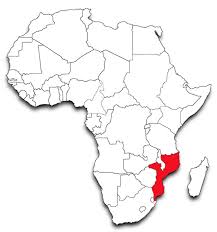
Mozambique, Africa

I hope to backtrack over the next few months to give an overview of the exciting things that have been happening since my last update in September, including the long anticipated graduation of the primary healthcare students who completed their training program in September, equipping them to be primary healthcare workers throughout Mozambique and in Malawi.

Backtracking: Training Resumed
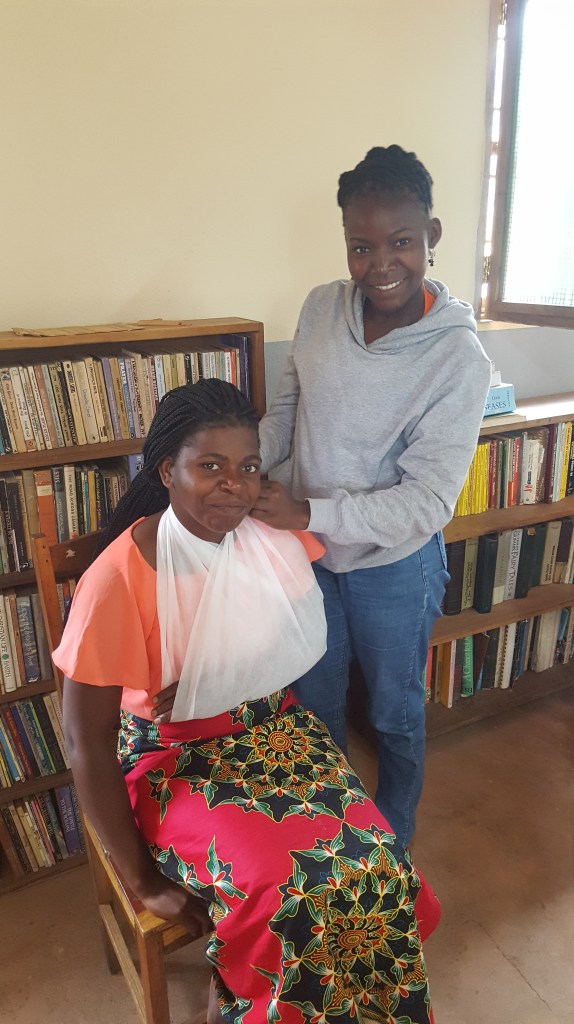
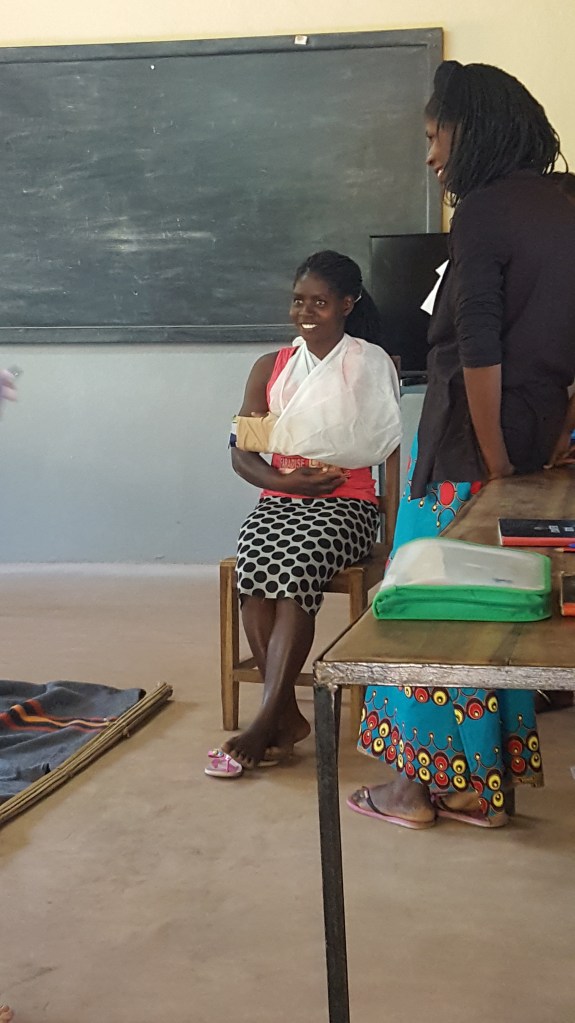
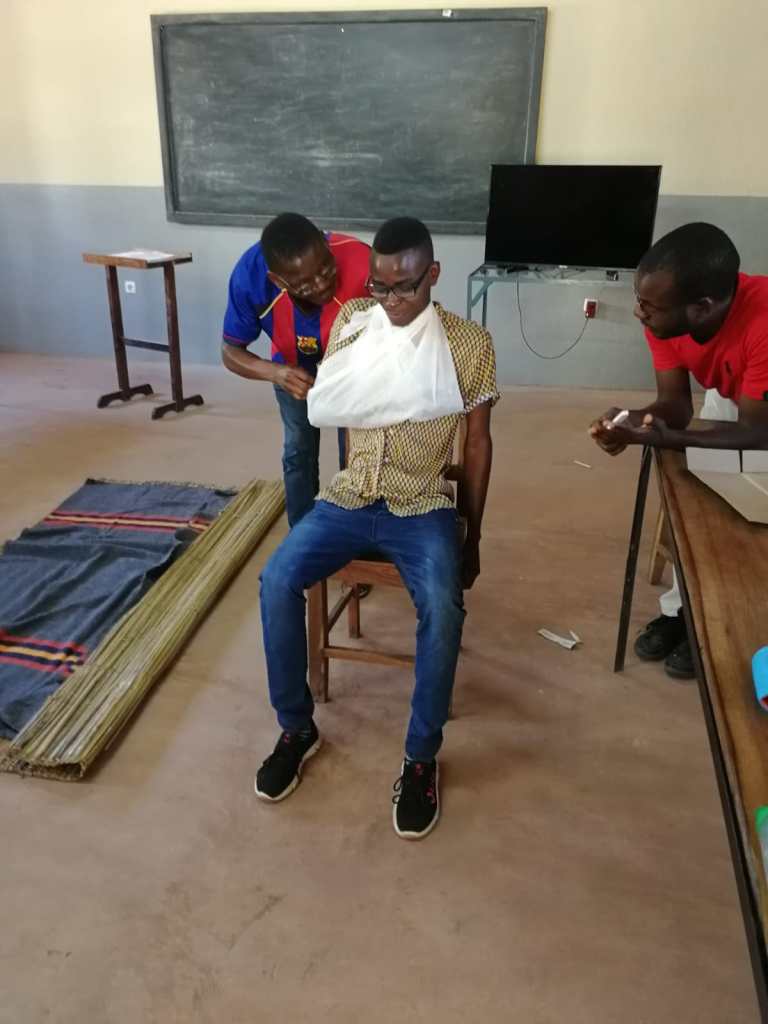
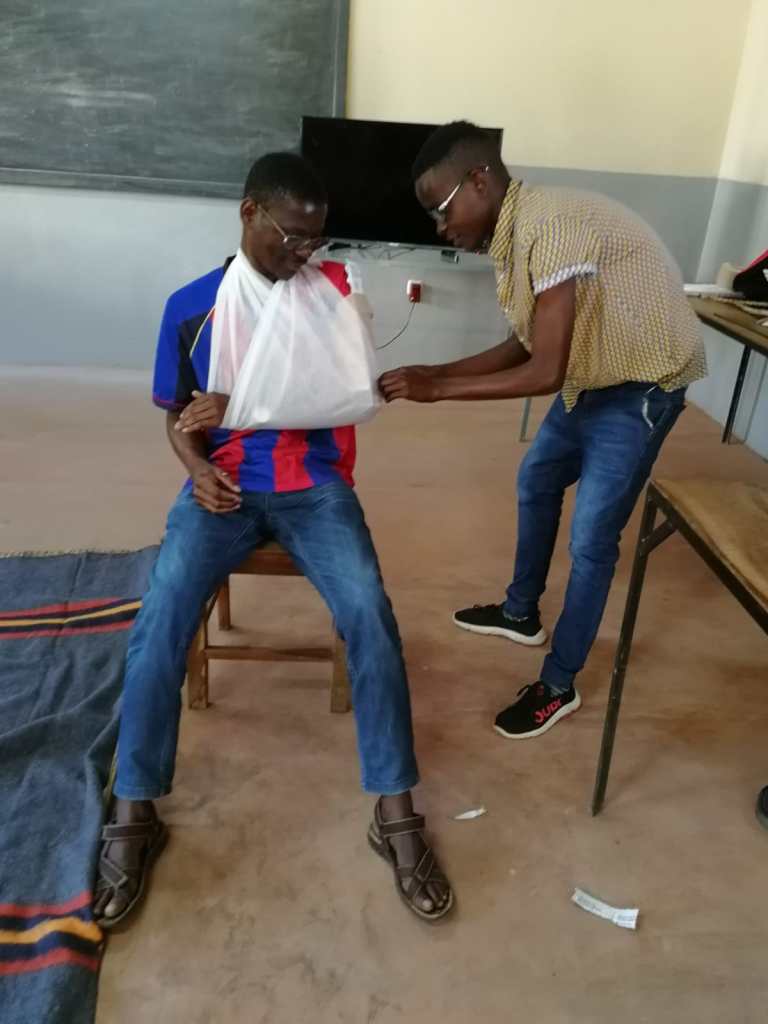
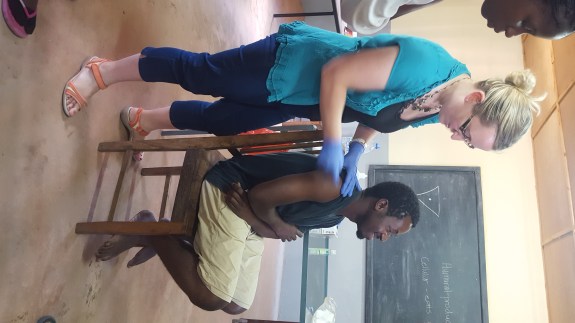
Two students practising applying slings

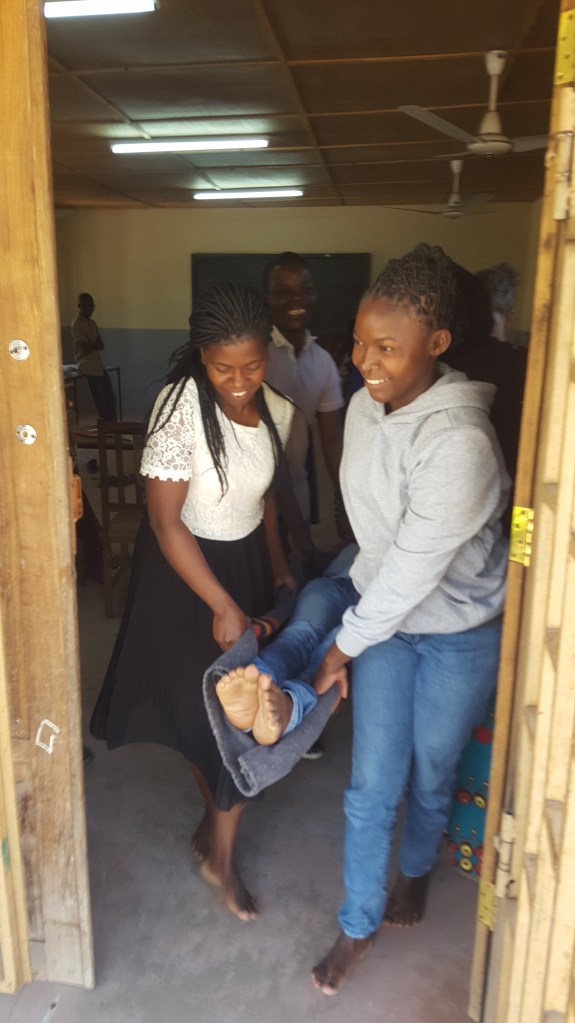
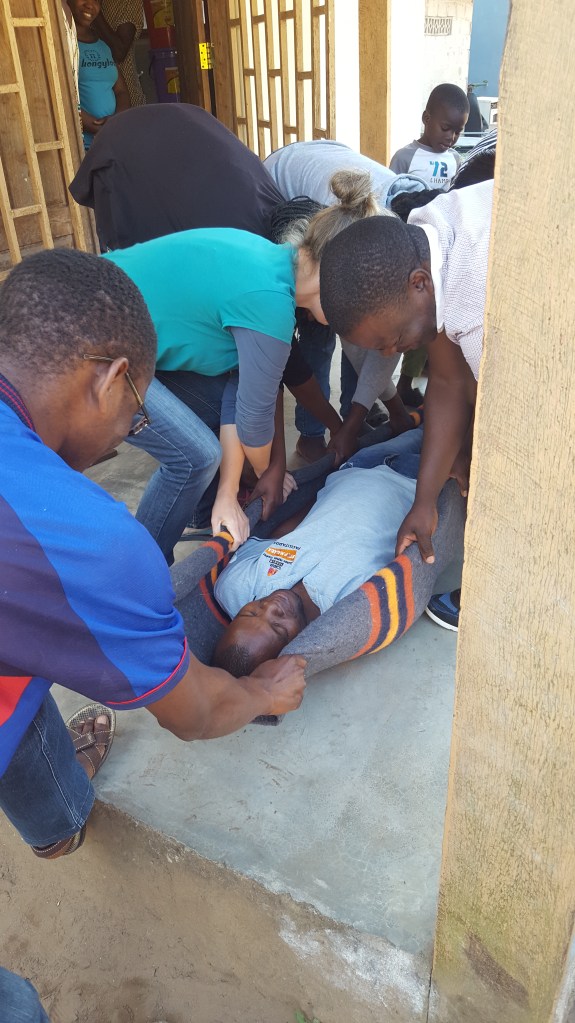
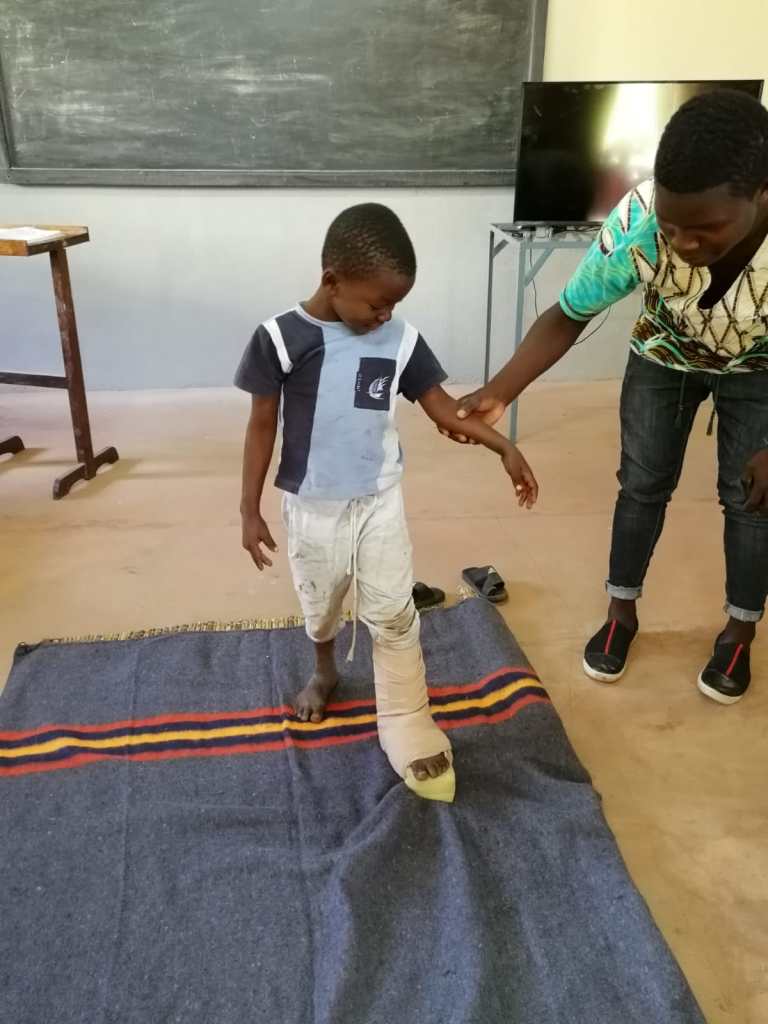
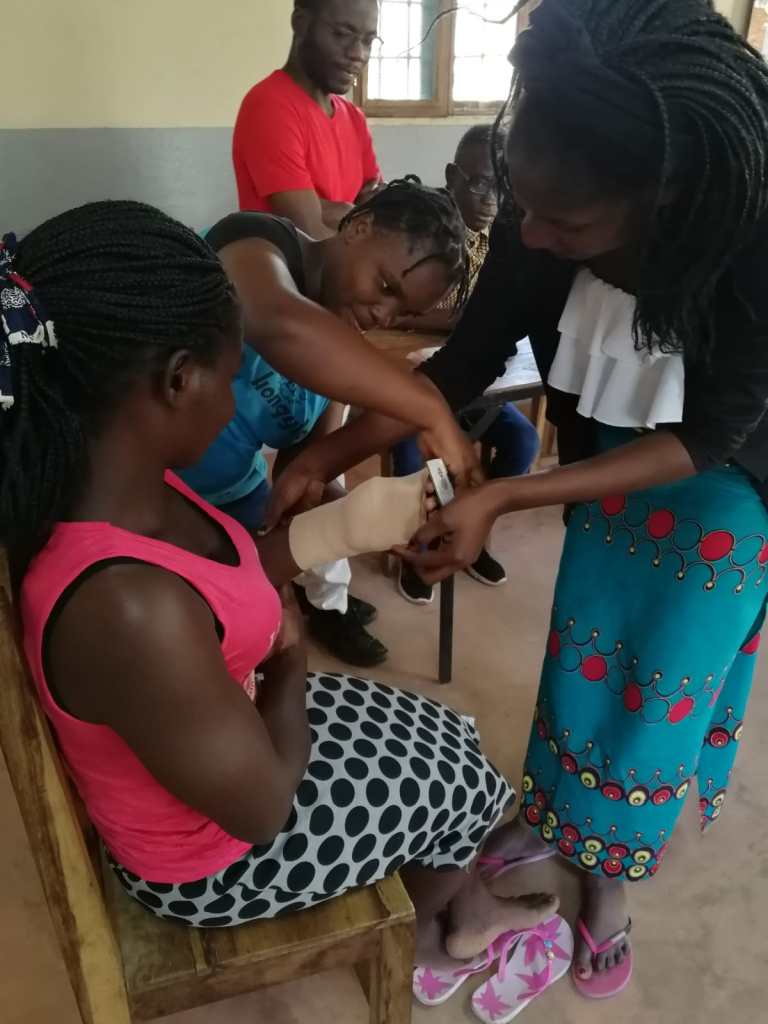
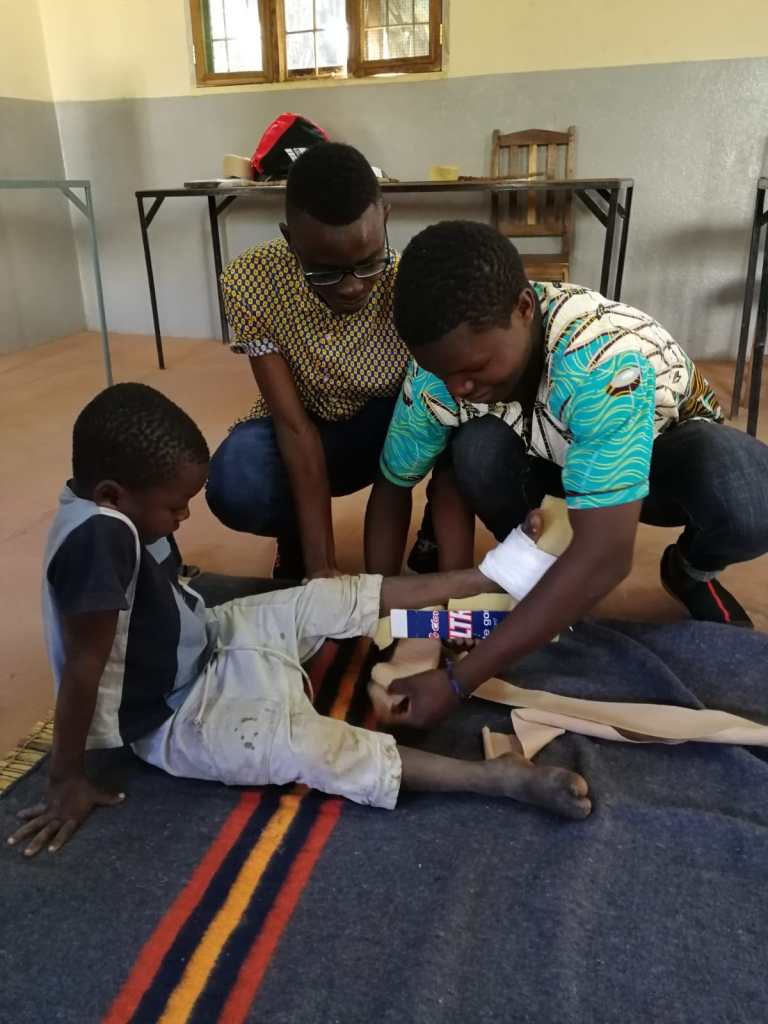
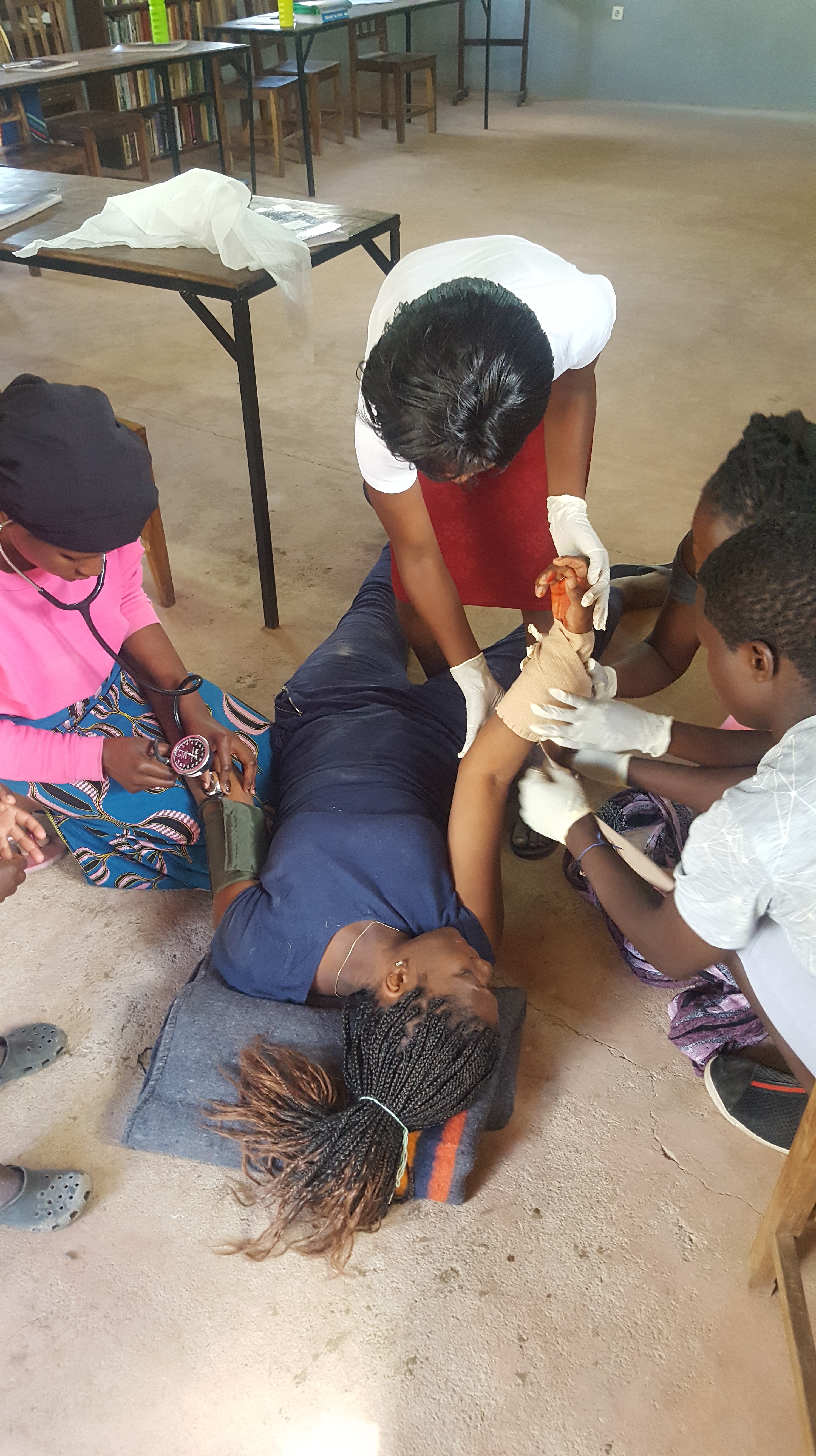
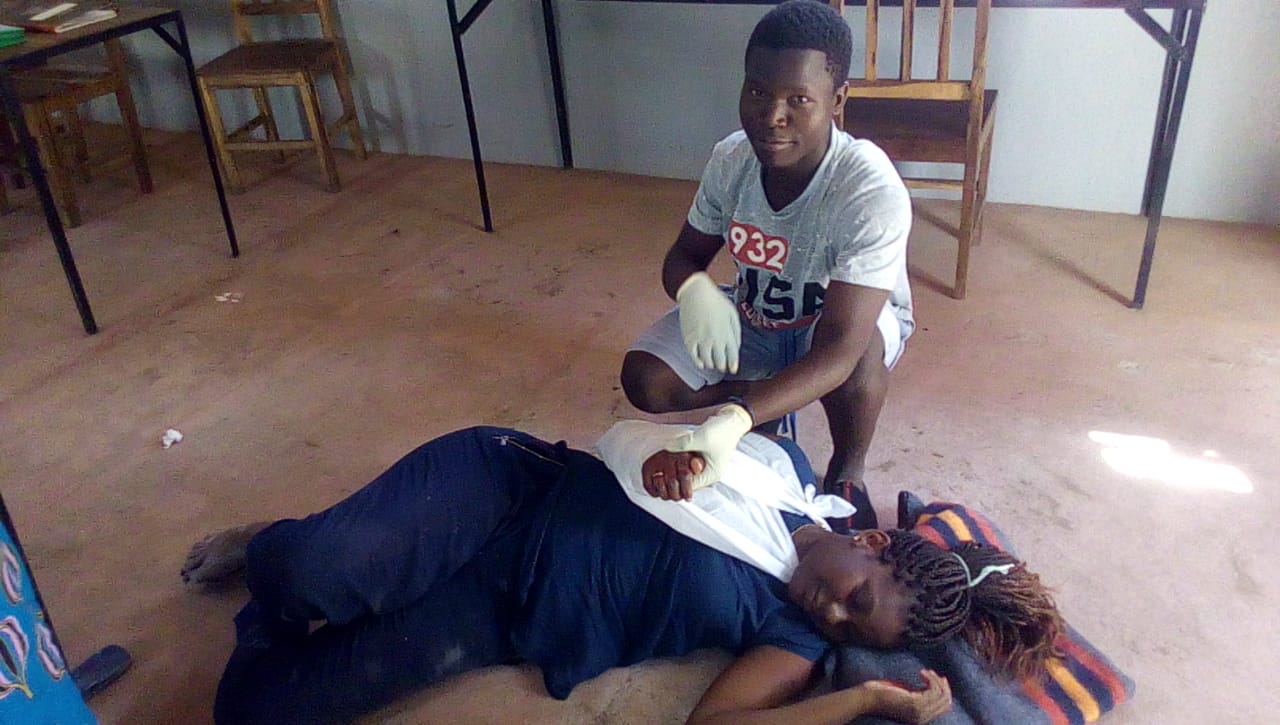
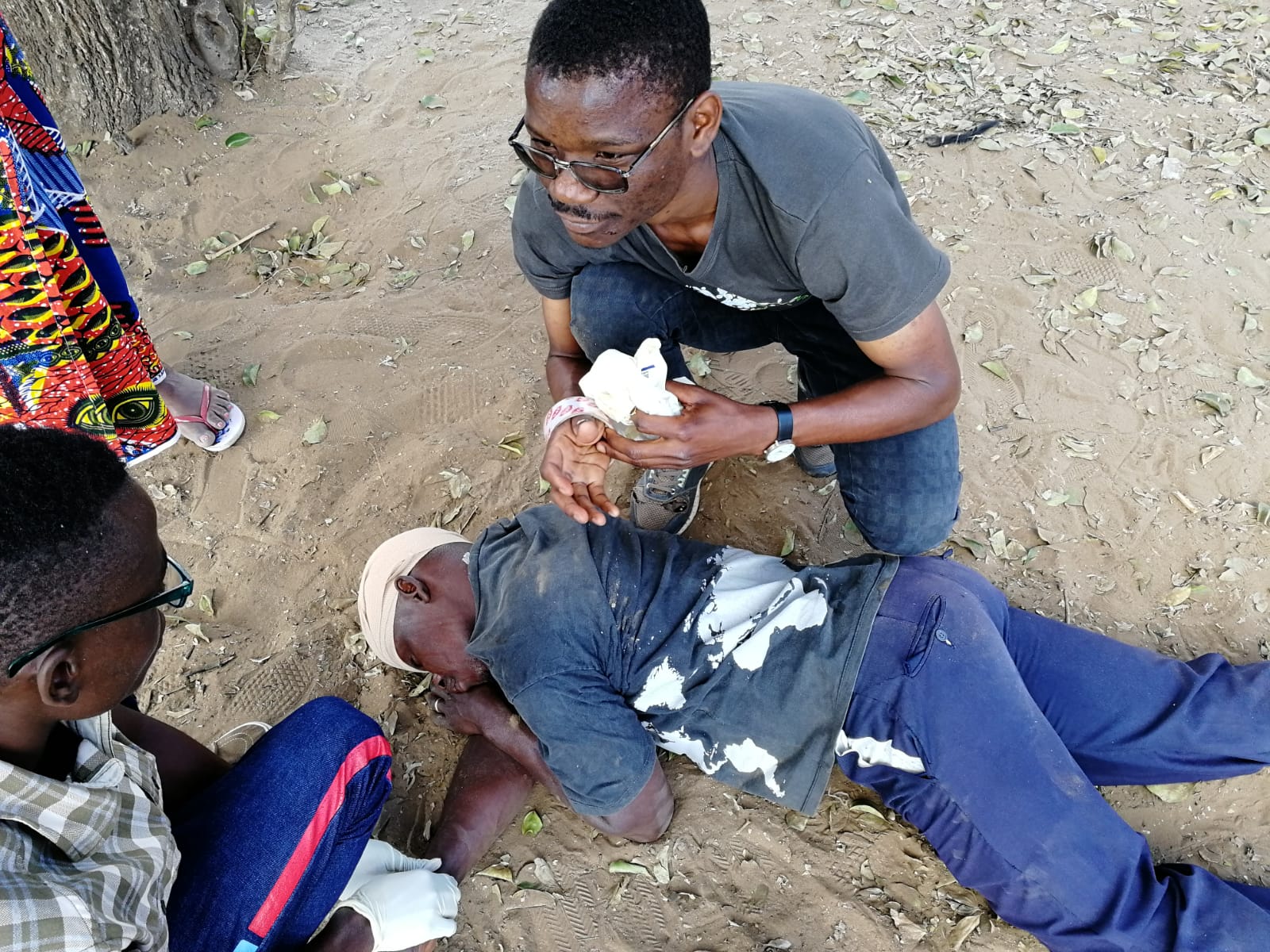
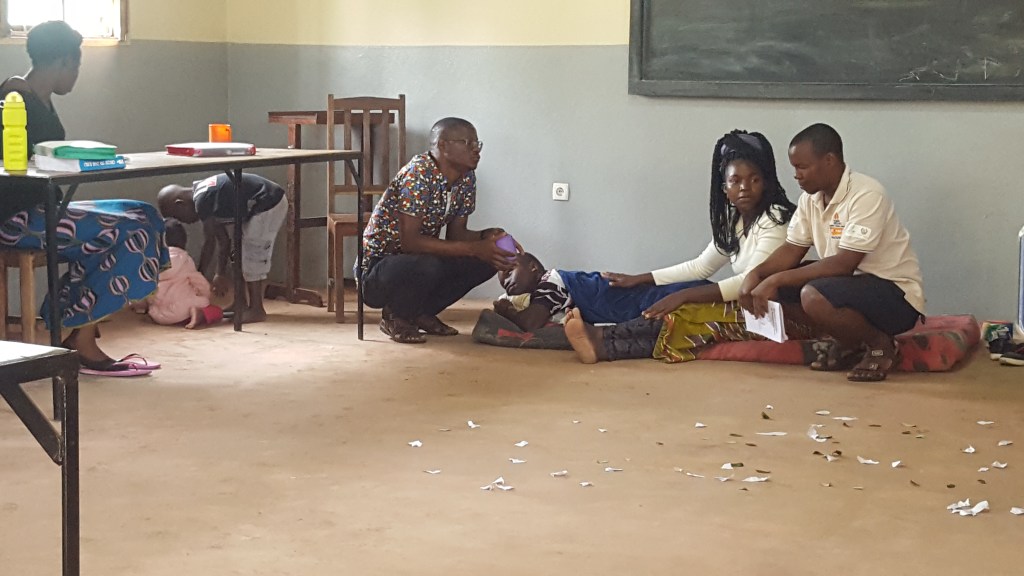
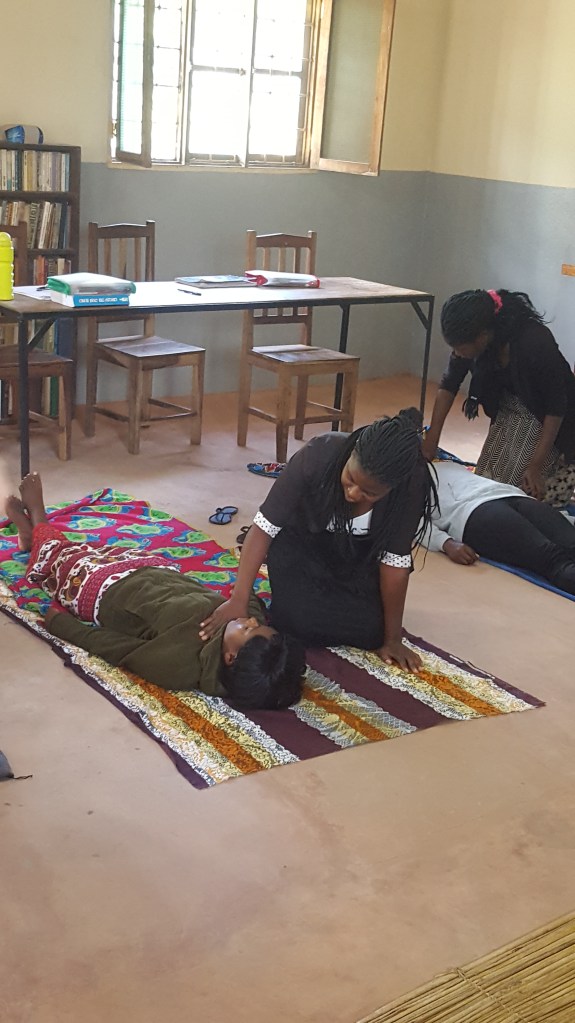
After the students completed their practicum in northern Mozambique and returned to the teaching base, training continued in the classroom with the students being immersed in an intensive week of practical training in emergency healthcare. A European doctor, one of the school trainers, taught this topic, engaging the students in hands-on learning as they gained a lot of new knowledge and skills. They learned things such as triage during mass emergencies, treating burns of various severities, transporting unconscious patients to levels of higher care, stabilising fractures, initial treatment for internal and external bleeding, first aid for amputations and much more. The students had many opportunities to practise their skills; with role play and mock emergency scenarios being a key part of the training week.
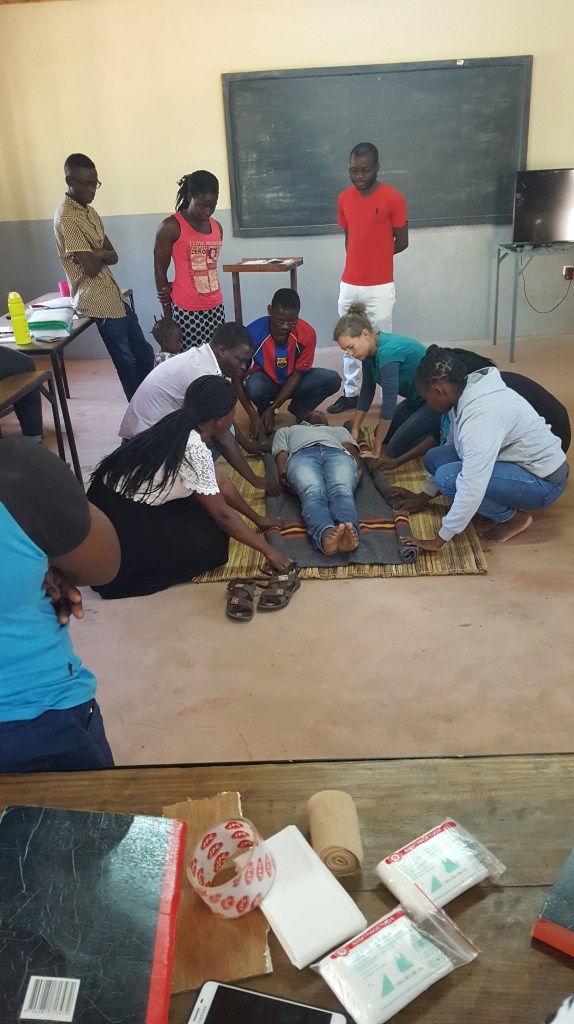
Some homework the students were required to complete was the creation of homemade splints for various bone fractures using everyday items which they were able to salvage from around their living quarters. They then presented these splints to the class, demonstrating how they would use them to stabilise the specific type of fracture they had been assigned to stabilise. The students had great ideas and there were some very creative splints on display!
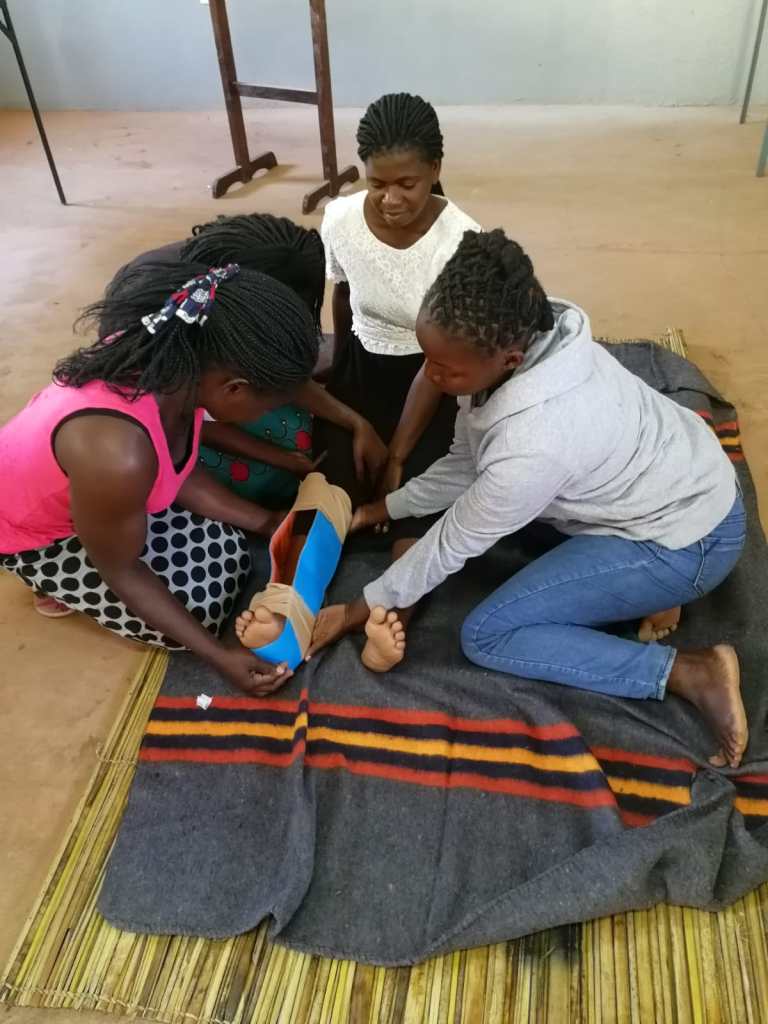
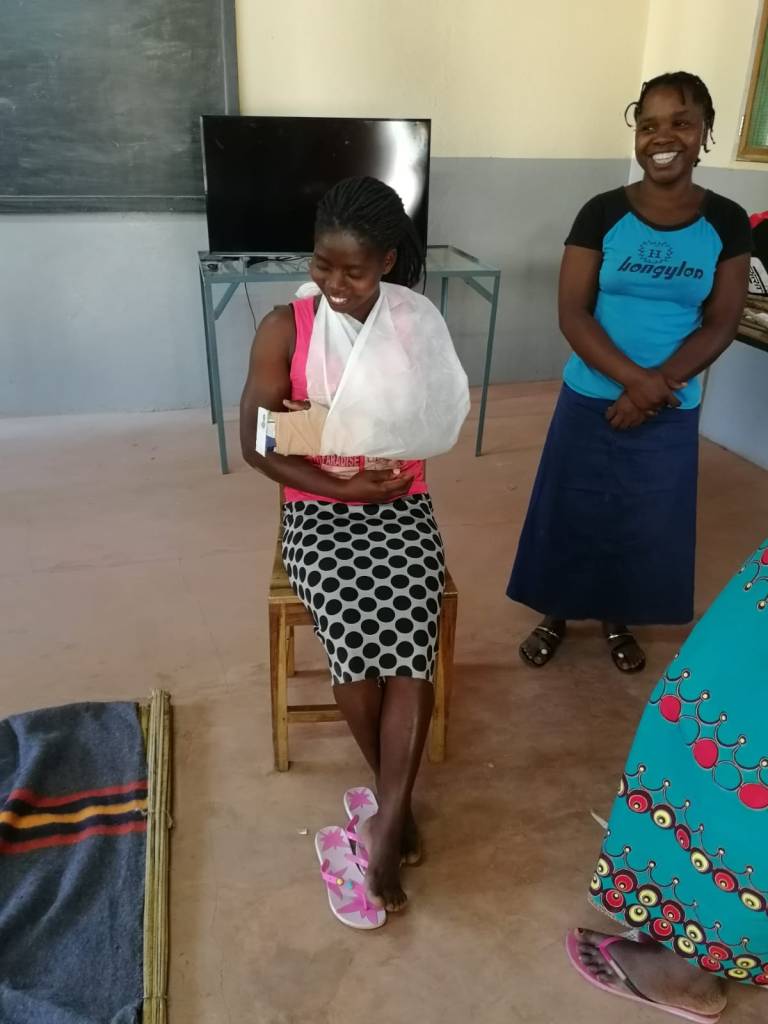
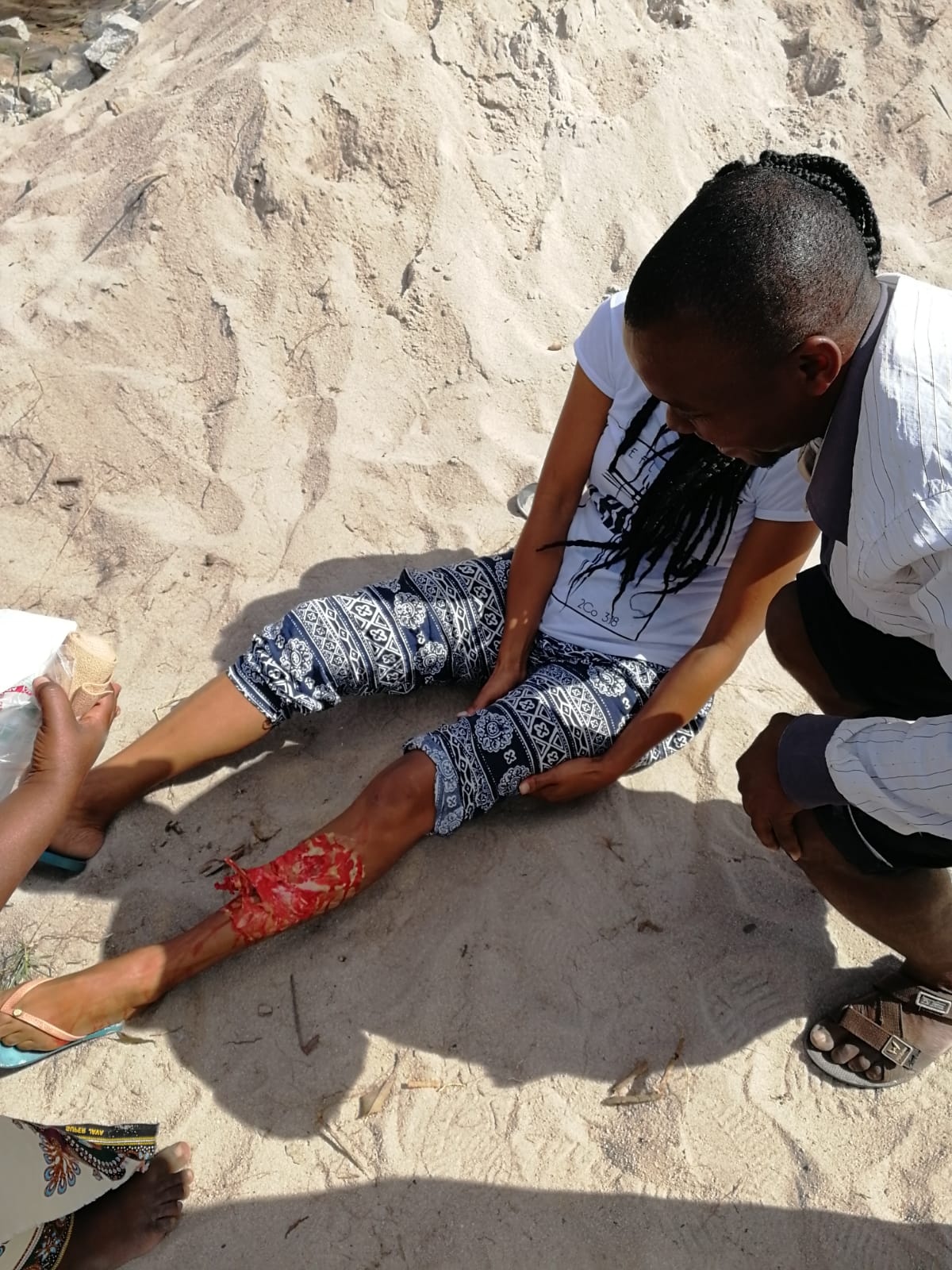
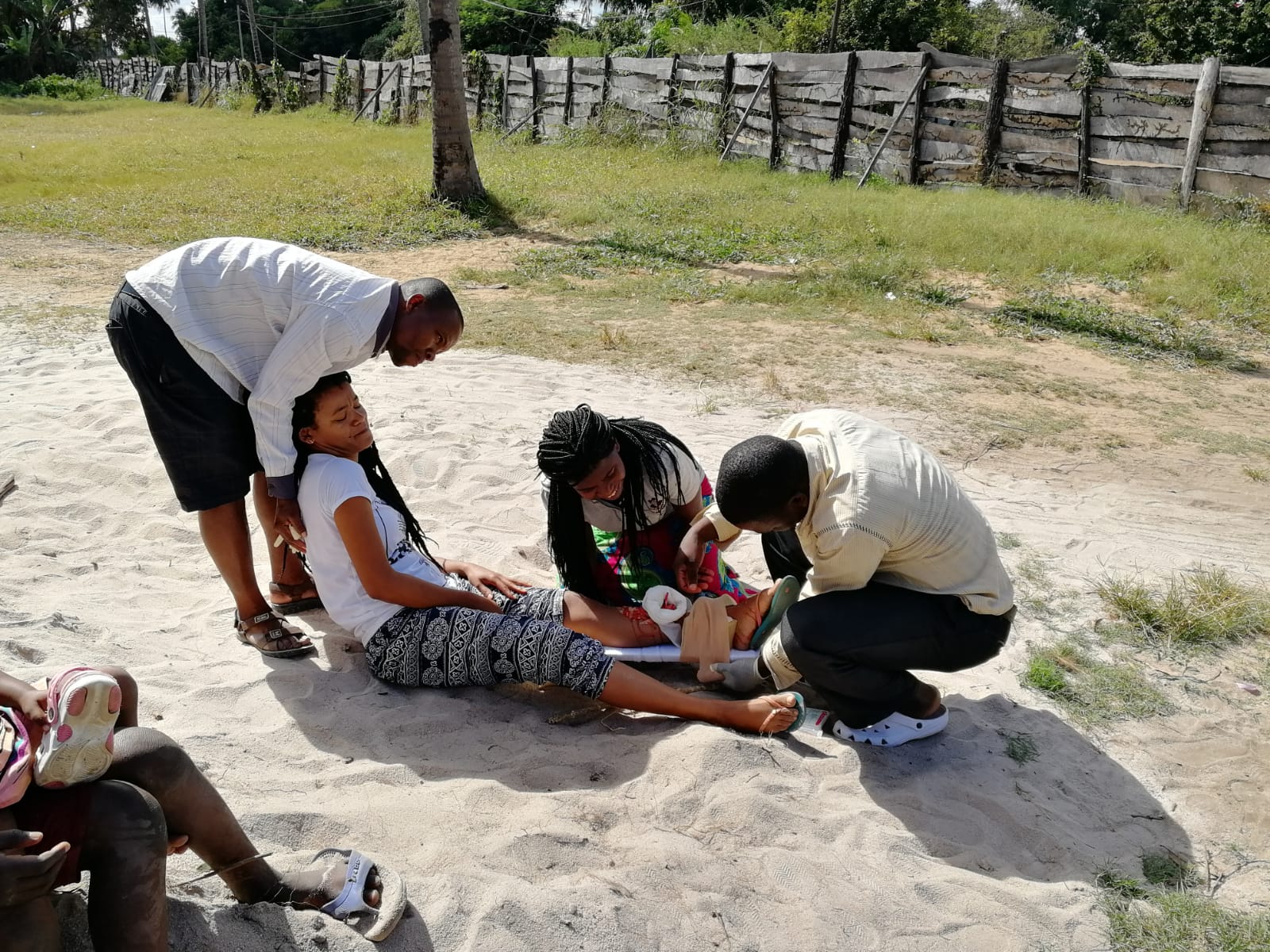
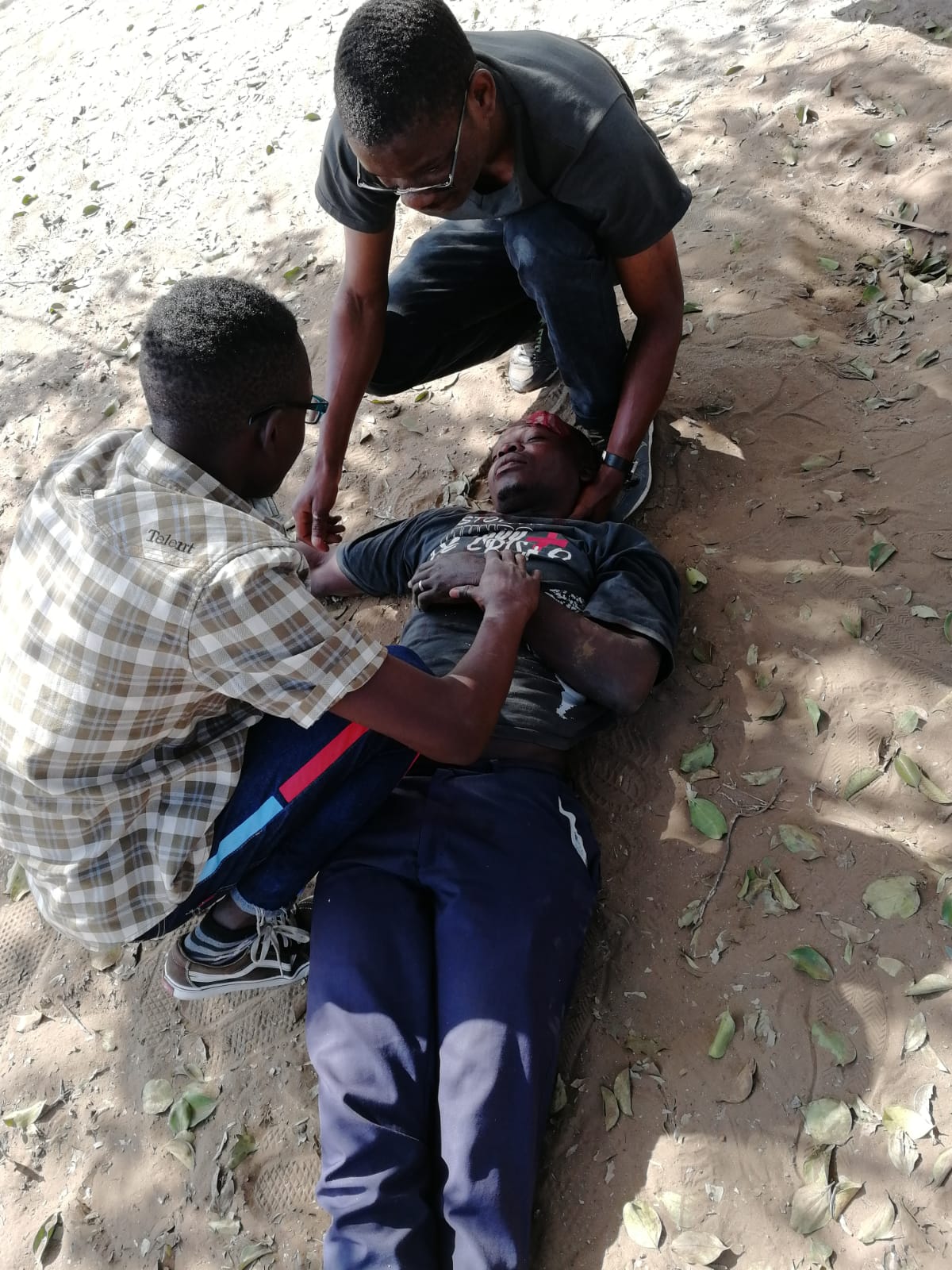
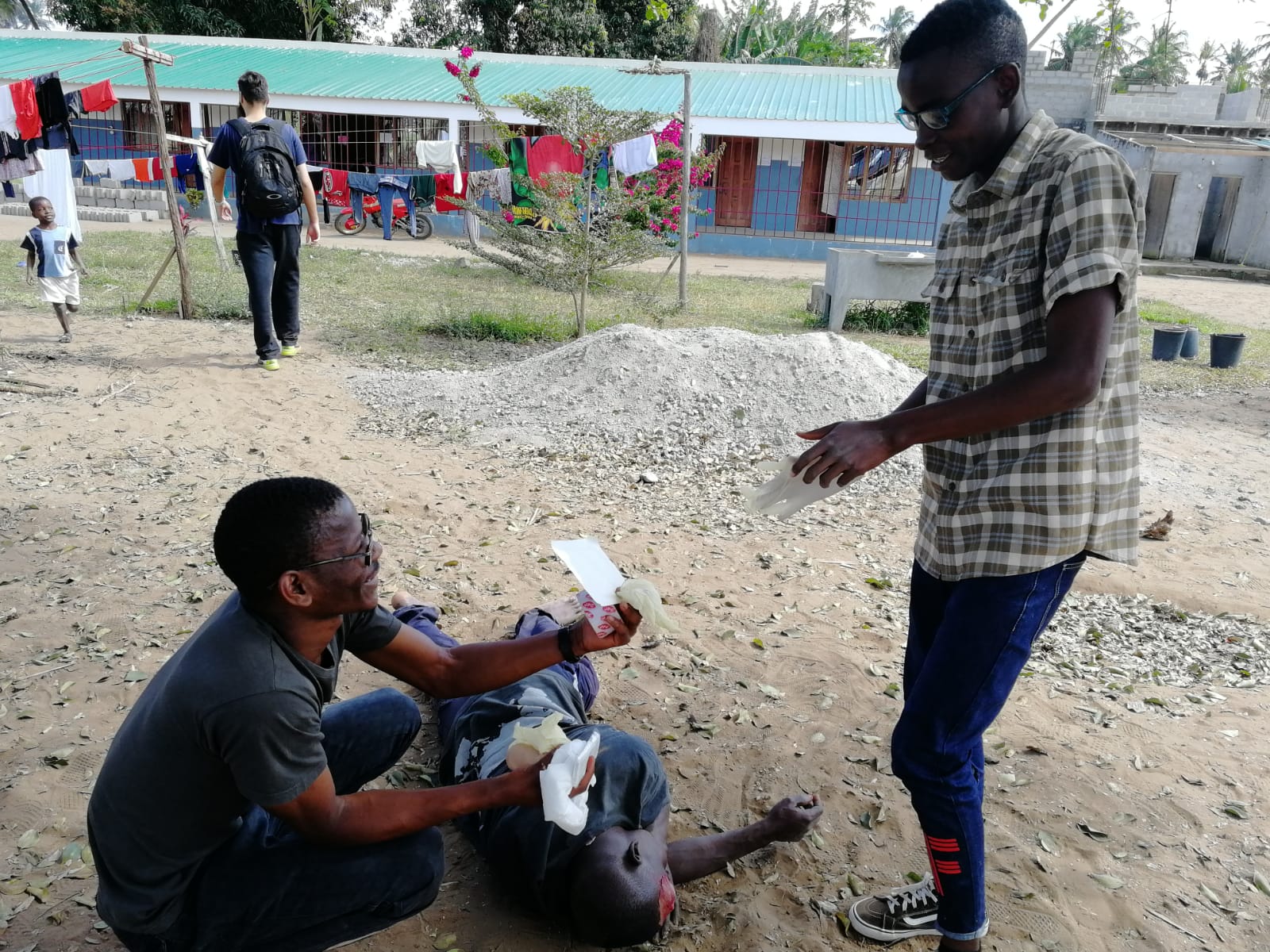
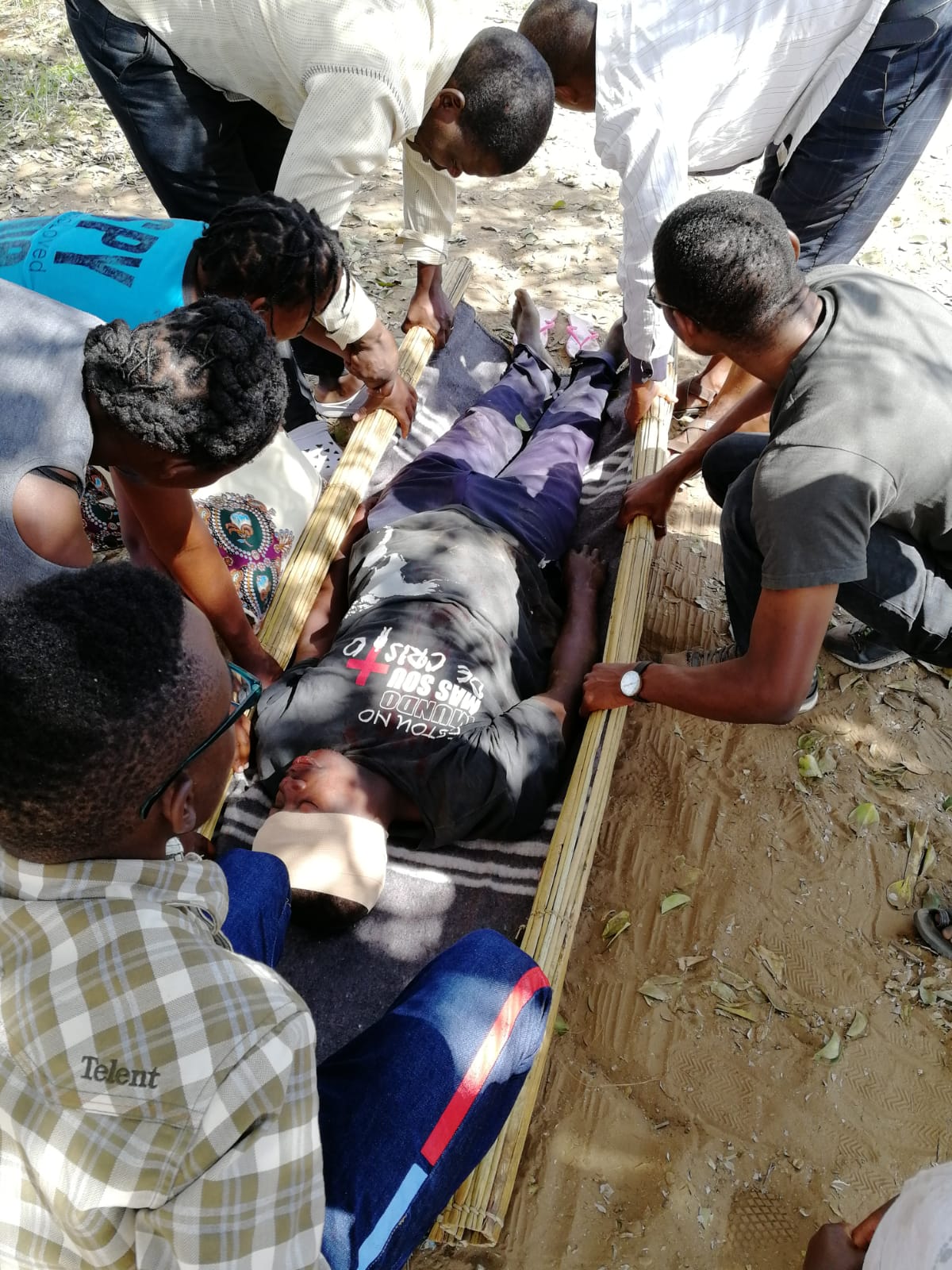
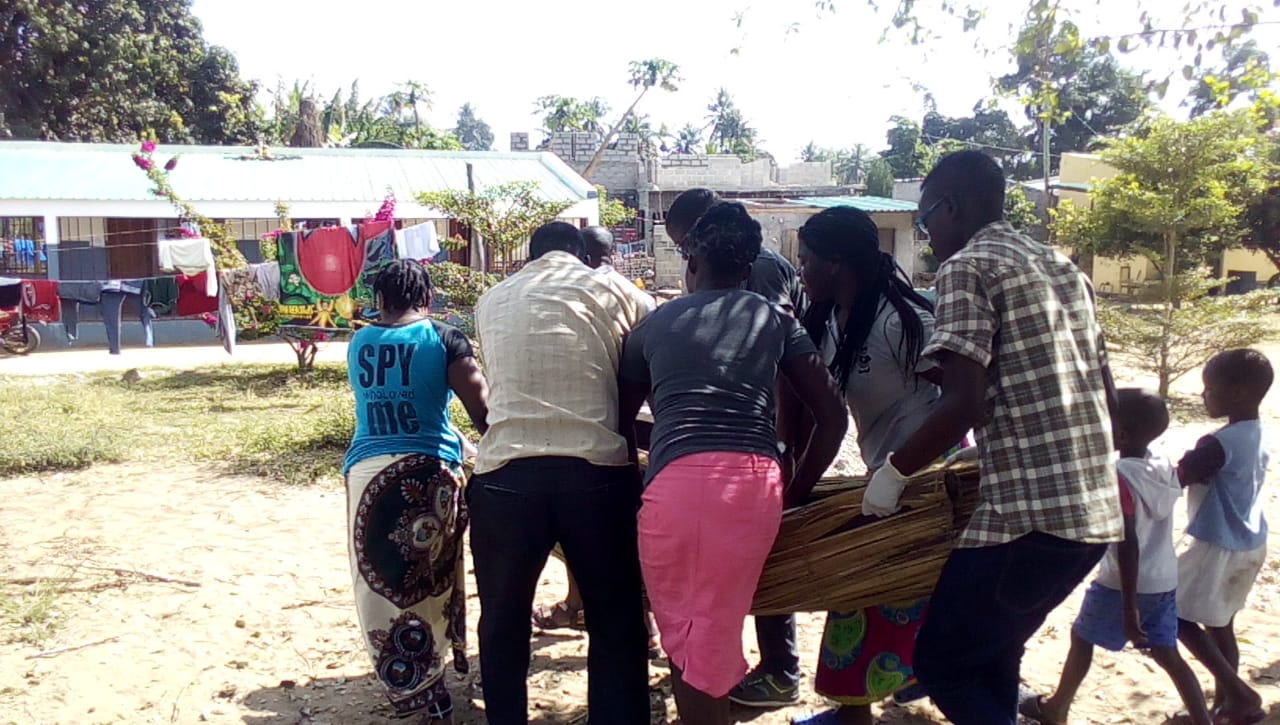
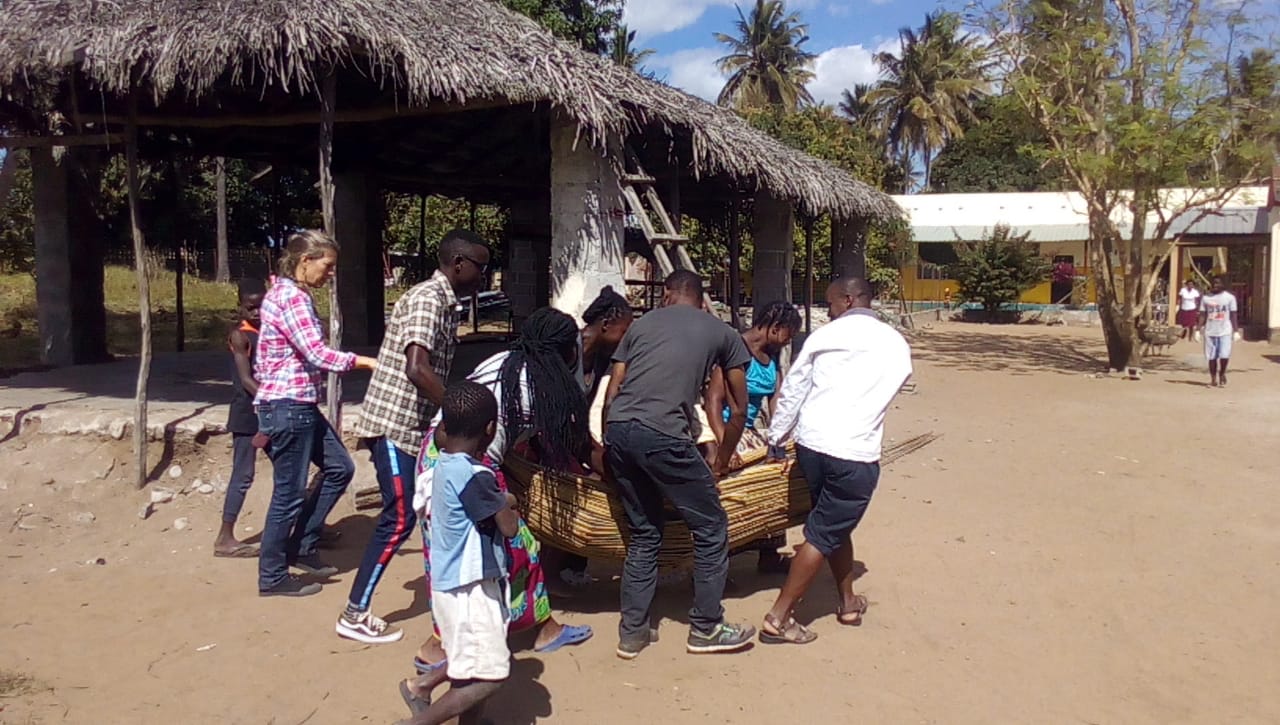
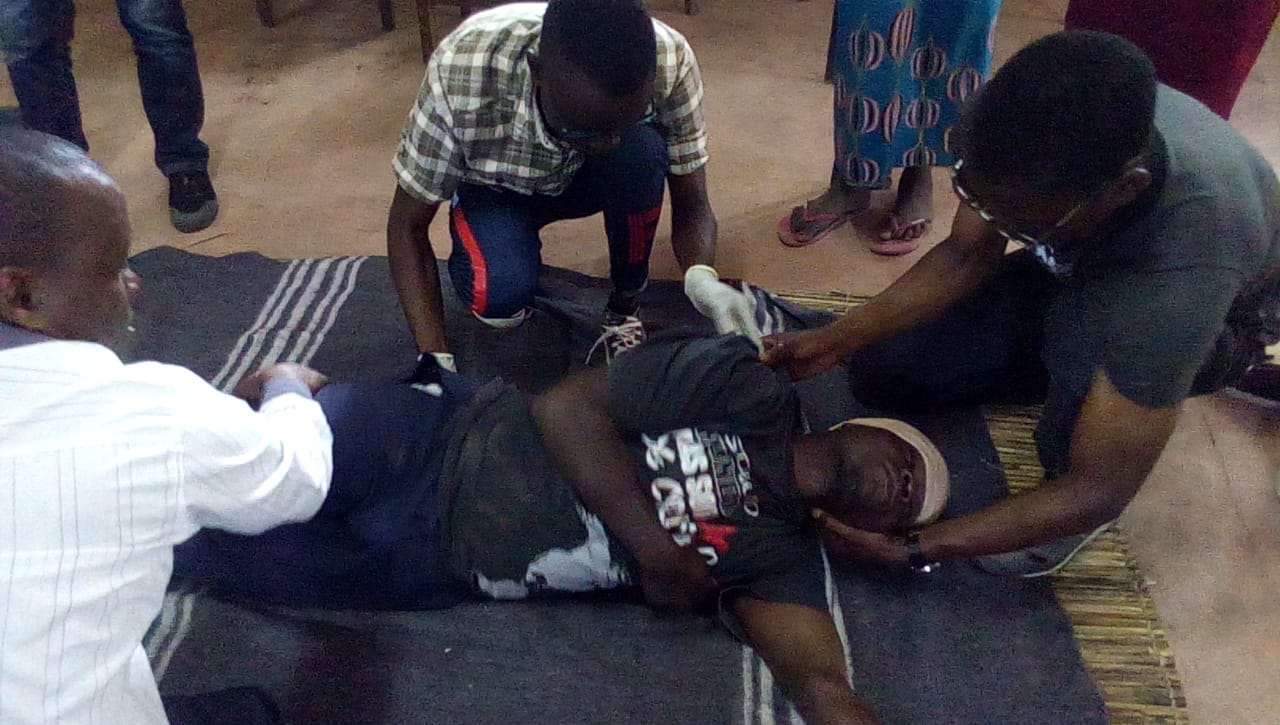
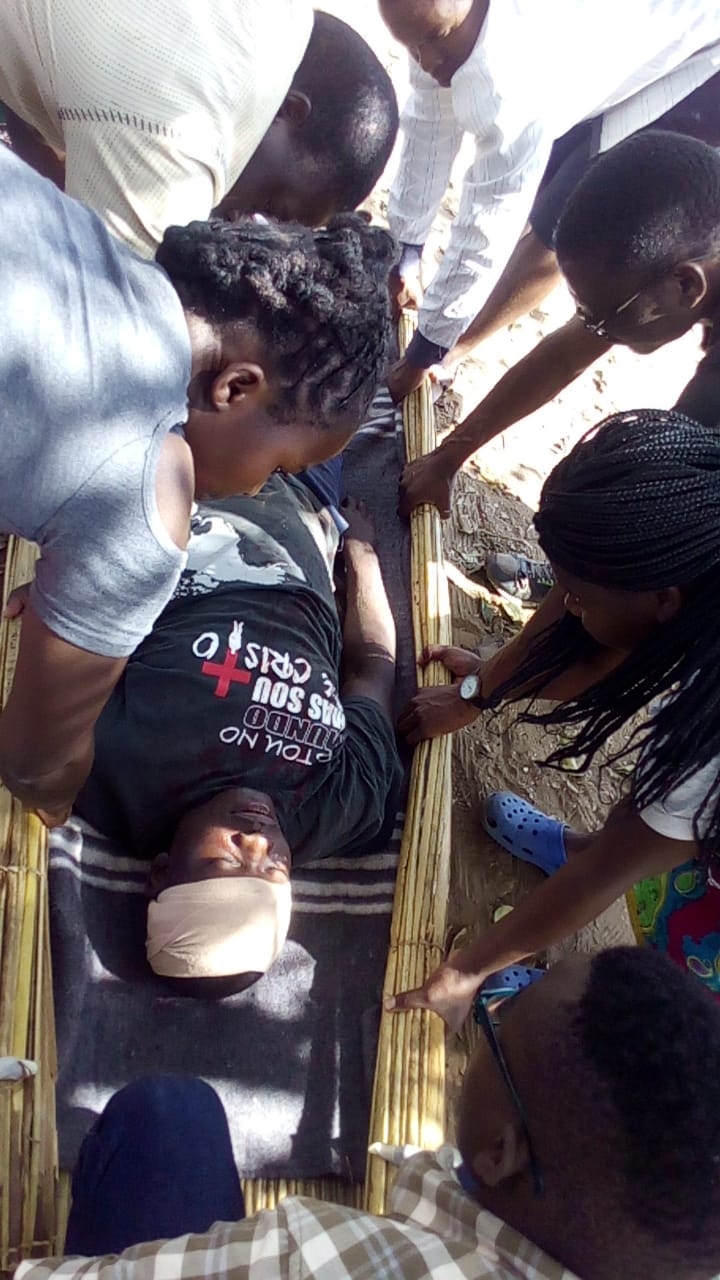
Towards the end of the training week, the students were presented with a surprise simulated mock exercise – a car accident which occurred outside their classroom. The training drill was composed of five casualties, all of whom had injuries of varying severities. This unannounced exercise allowed the students to think “on their feet”, critically analysing how they could effectively and efficiently put into practice all that they had learned. By responding to the medical emergencies, the students were able to use resources at their disposal and practise saving the lives of casualties whilst preventing further deterioration from their various injuries. The scenario was so well put together and dramatized that at least one of the students initially believed it was a real car accident with real casualties!   

One of the major assignments the students completed during their training program was a comprehensive research project on a community, either in Mozambique or Malawi, within which they hope to serve as future primary healthcare workers. The students worked on these community profiles for many weeks, researching the health and community needs of these places, as well as important demographic information. These community profiles will assist the students to be better prepared to meet the most critical needs of those communities in which they will serve in the future.

Some Positive News

Around this time, I received an important letter from the Minister of Justice in Mozambique, allowing me to apply for a one year visa for Mozambique once I was had left the country. This meant I could come back to Mozambique longer term and continue serving here. I had been waiting for this letter for many, many months! It was a relief and miracle to receive it!

What Am I Up to Now??

I’ve been back in Mozambique now for three months. I’m settling in as I get used to being here longer term. I recently completed an amazing several week long journey through Mozambique and Malawi, visiting the primary healthcare graduates in order to support and encourage them in their work. I was also privileged to be able to volunteer in different clinics and hospitals around Mozambique, deliver much needed medicines and medical supplies and make many good connections with amazing people around Mozambique and Malawi.

Stay tuned for more updates in the coming months as I backtrack and share about many of the other experiences of last year and the new experiences of this year so far.

Blessings!
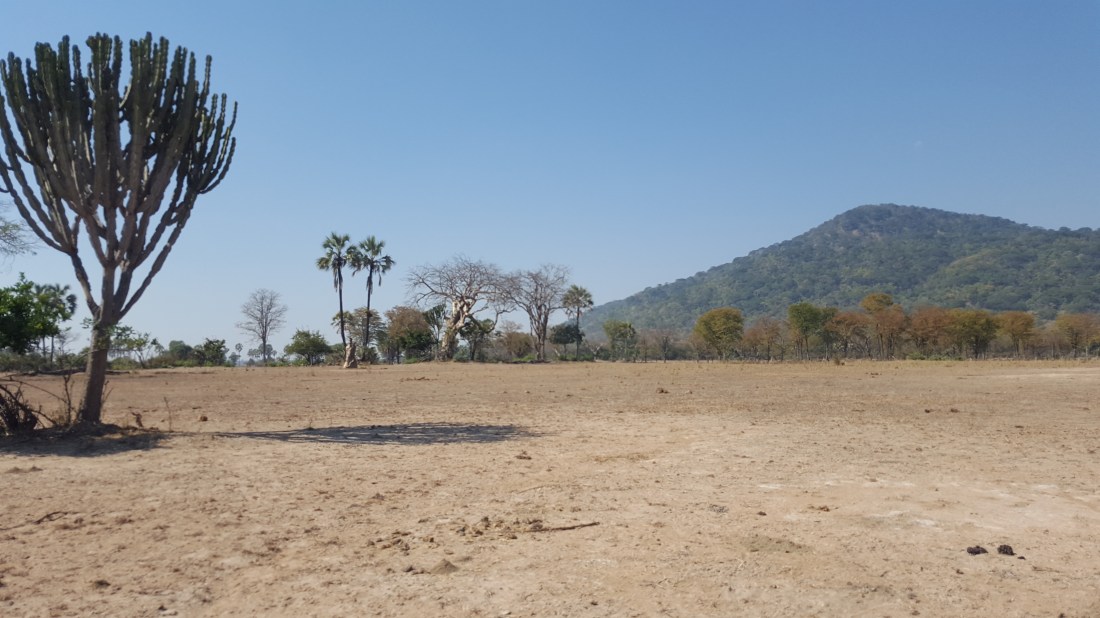
The Journey Continues: From Mozambique to Malawi

In my last update I mentioned that the primary healthcare students, the other school staff and I would be travelling by road to neighbouring Malawi to purchase more medications, renew my visa and continue on to the north of Mozambique to run mobile clinics and work in an existing remote clinic. This would allow the students further opportunities to put their newly learned skills and knowledge into practice.

On our way to Malawi
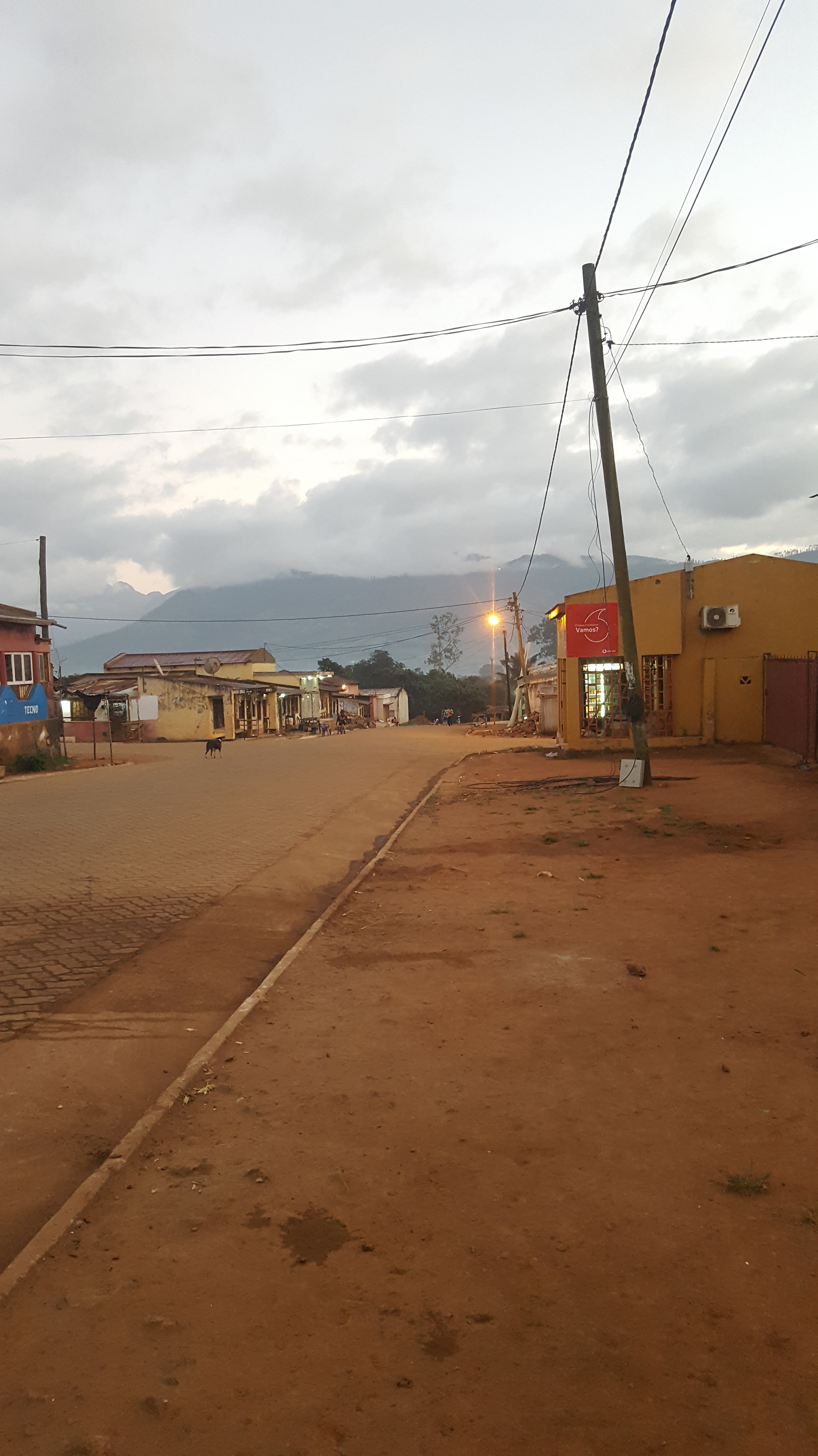
The border town of “Milange” where we spent the night

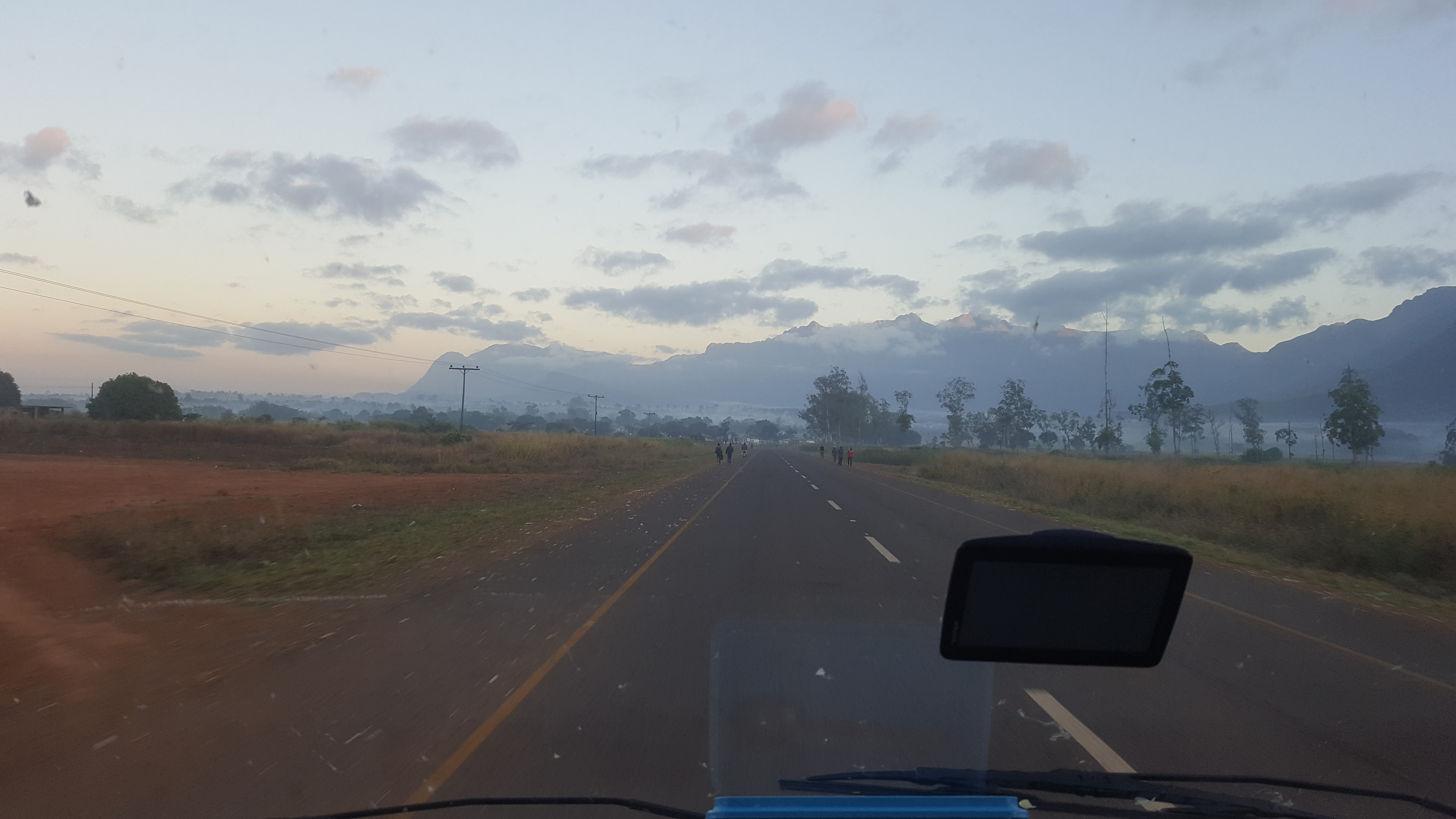
We commenced our trip on 4th July, travelling through the night to reach the small border town of Milange. After a few hours’ sleep in Milange, we continued our journey at the break of dawn so we could cross the Mozambique-Malawi border as soon as it opened (in these parts of the world, borders between countries are closed overnight). On reaching the border, we passed through to Malawi with no problems, which was a relief as corruption is common in these parts.

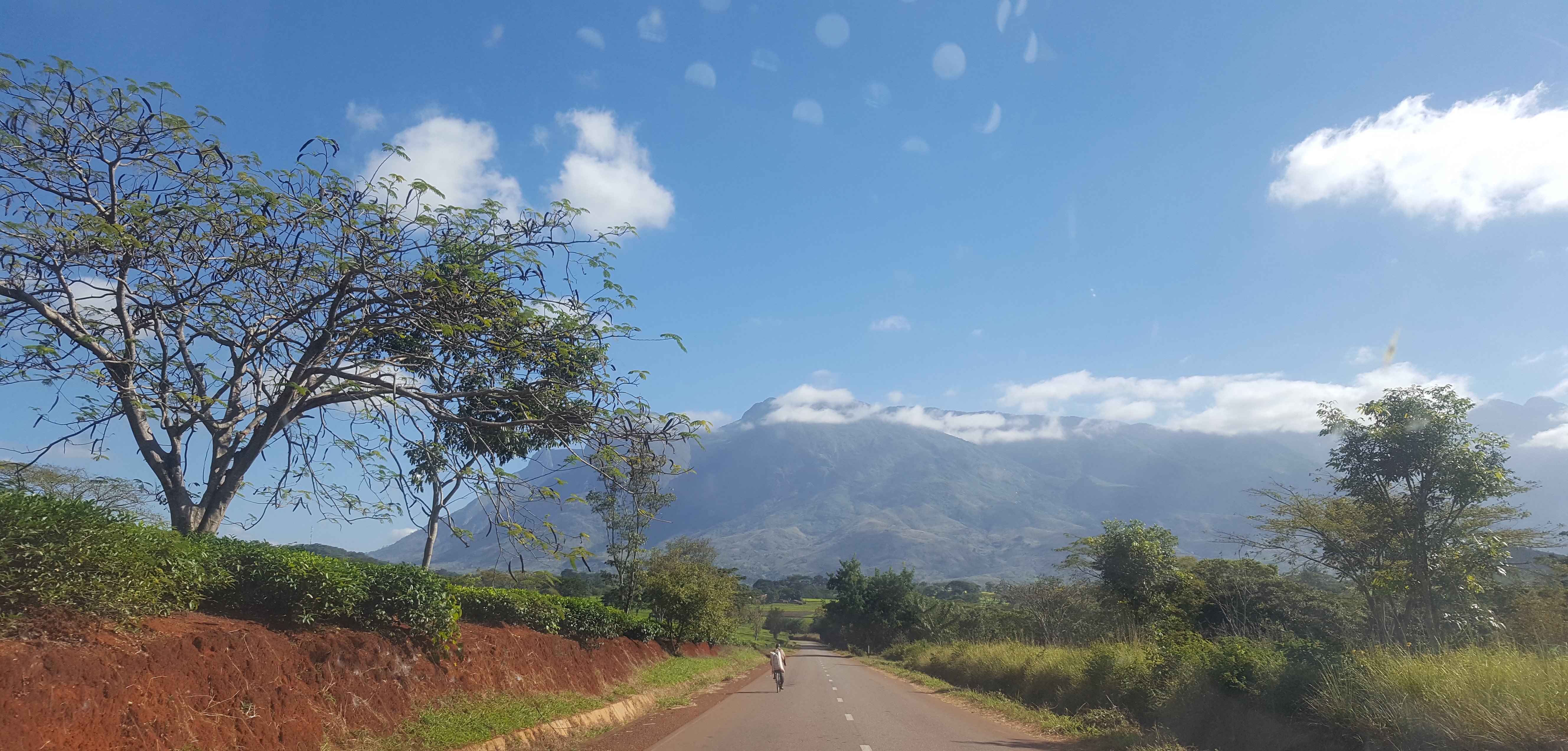
The beauty of Malawi
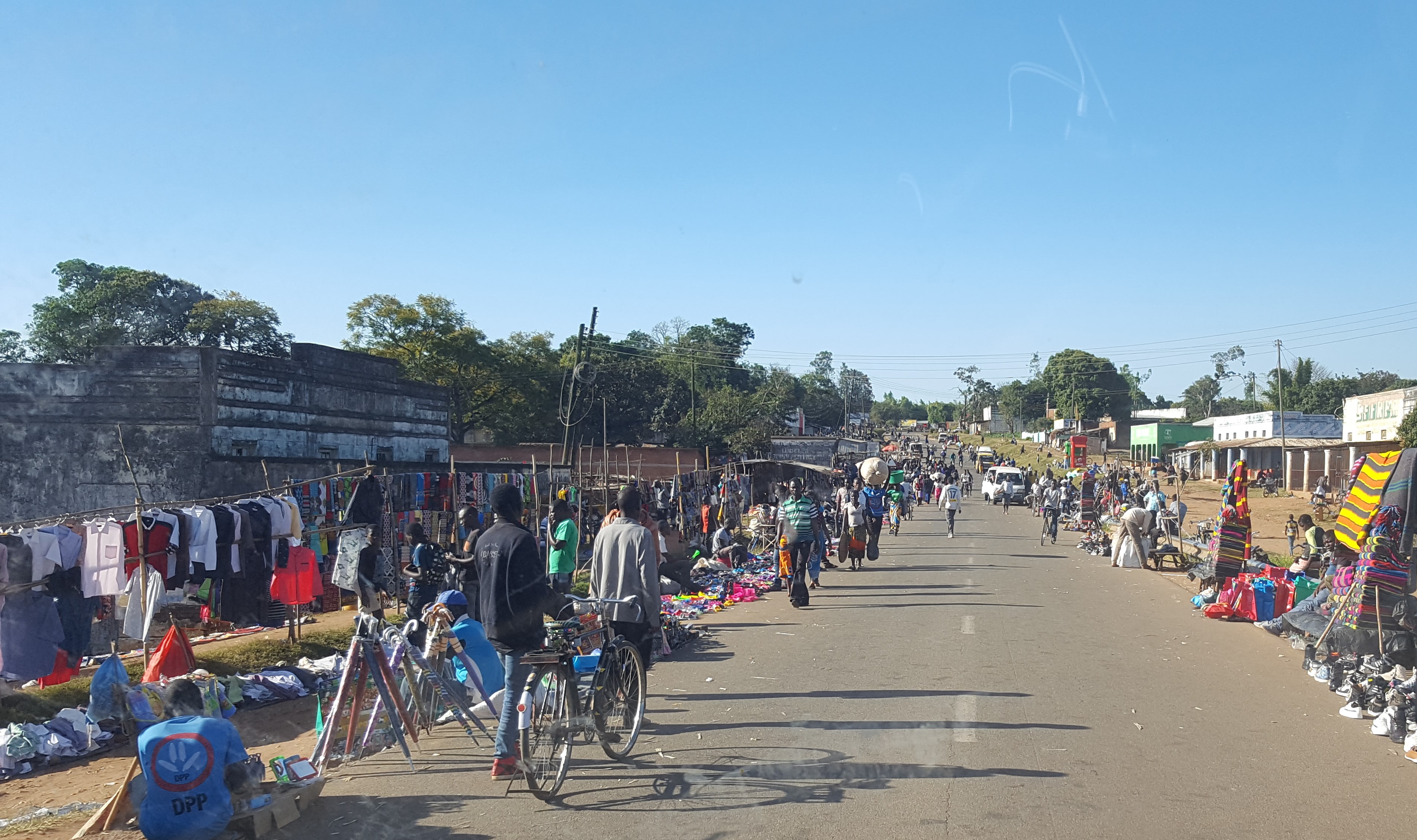
Driving through Malawi

After spending a couple of nights in the Malawian city of Blantyre, purchasing a supply of medications and medical equipment including malaria test kits, malaria treatment and other basic medications that would be needed during our upcoming mobile clinics, we continued our journey through Malawi towards northern Mozambique. On reaching the Mozambique-Malawi border, I was denied entry back into Mozambique, despite legally having the right to enter based on current immigration laws. This meant that the students had to be sent on ahead to join up with another school staff member who was already on location at the clinic where we had been planning to work, while I stayed in Malawi with two other school staff members to figure out how I could re-enter Mozambique.

Primary healthcare students, Nazaré and Patrick, commence work at the clinic

The students made it safely to their destination in Northern Mozambique and commenced work in the local clinic and surrounding village communities under the watchful eye of Geraldo, the staff member who had already gone ahead to prepare for them. In Malawi, I pondered how I could re-enter Mozambique. Initially, I planned to try again to pass through the same border where I had been denied entry. The idea was to try to re-enter on a weekday, as more experienced officers would be on duty, hopefully granting me entry. However, it was advised that the best course of action was to submit documentation at the Mozambique High Commission in Blantyre, the city we had initially come from.

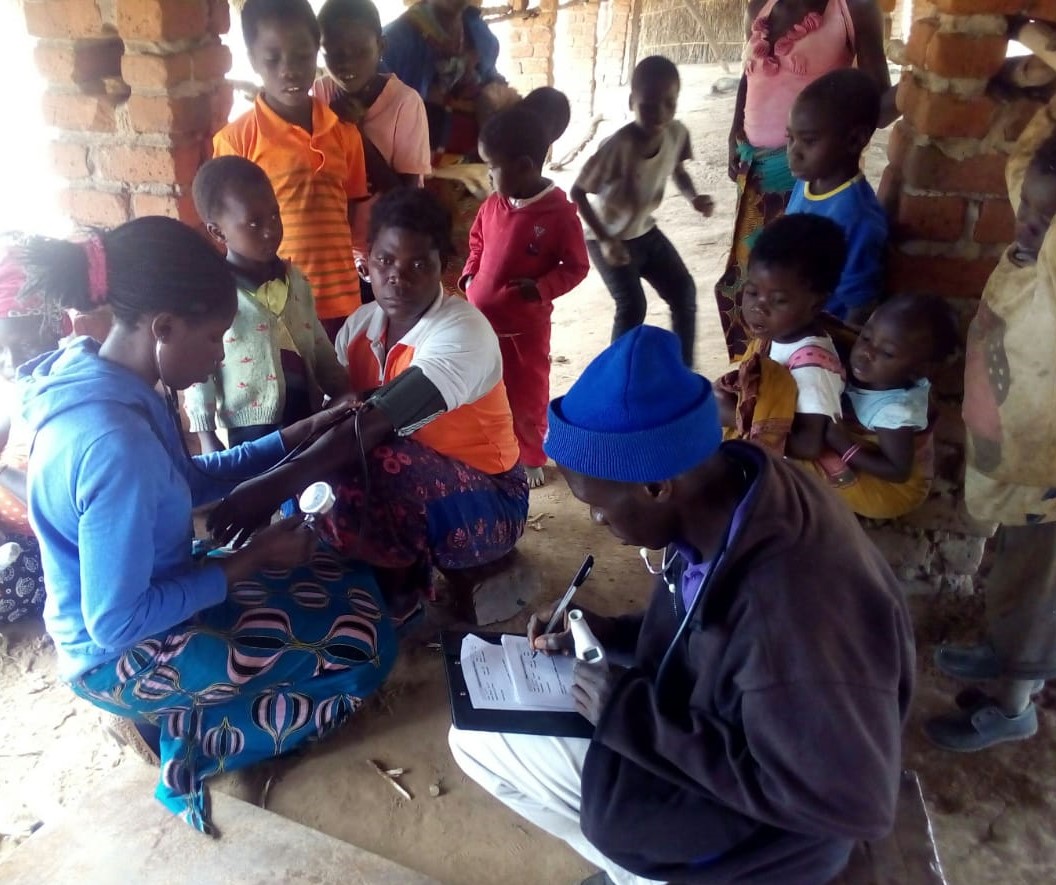
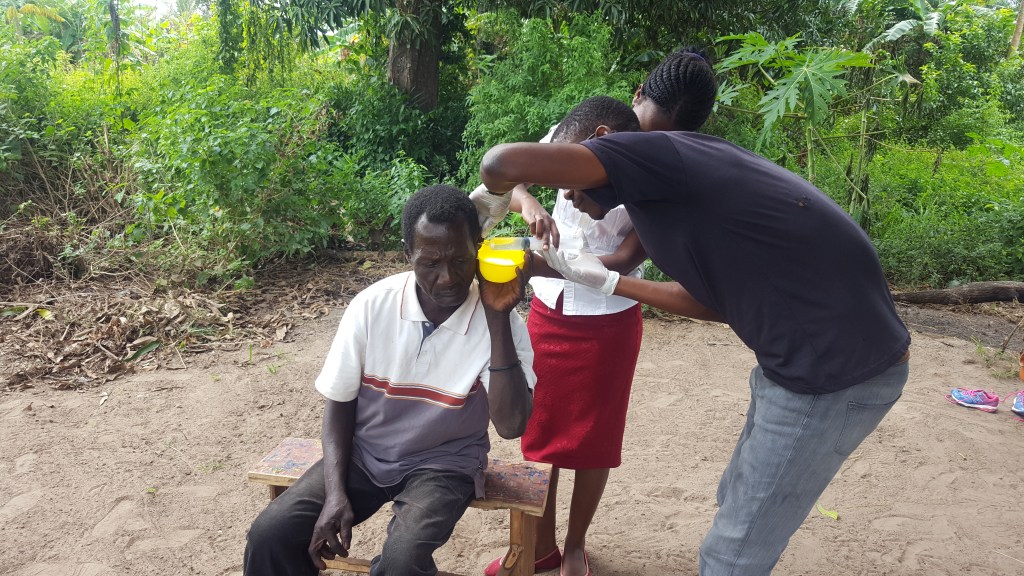
Primary healthcare student, Zainura, assessing vital signs during a village mobile clinic

After waiting for the required documentation, we returned to Blantyre and submitted the documents there at the High Commission. However, despite three consecutive visits to the Mozambique High Commission, it was clear that another visa into Mozambique was not going to be granted in that way. The final solution was to return to the border where we had initially exited Mozambique. This decision proved to be successful, and I was given entry back into Mozambique without any difficulties. The process of attempting to get back into Mozambique had taken several days, and a lot of travelling within Malawi, however, I was so grateful to have been granted re-entry!

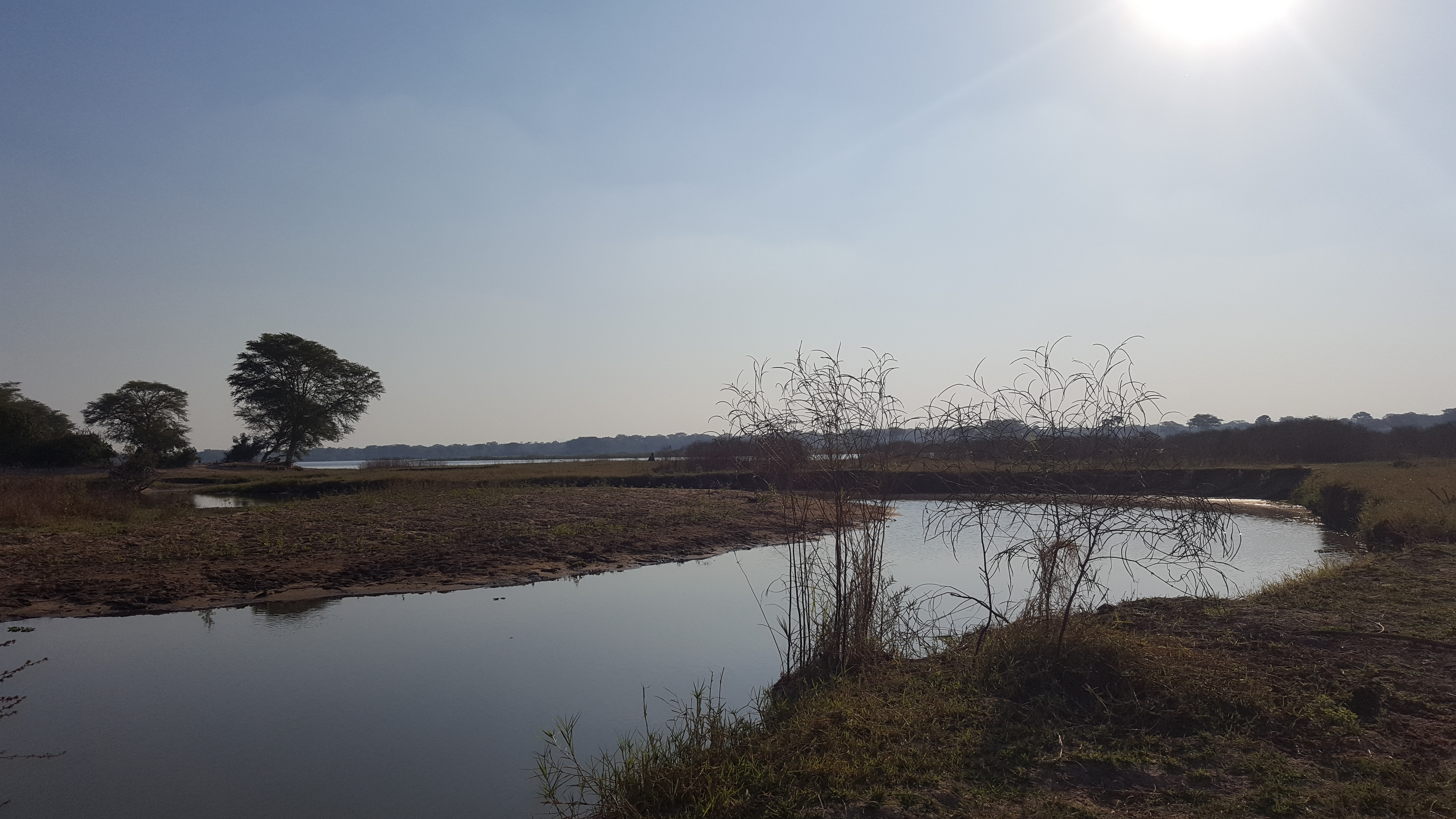
The late afternoon sun over Malawi

The plan was then to take the more difficult journey on hazardous roads through Mozambique to join the students and continue to support them. However, as we travelled to our first stop, we experienced serious car damage and were forced to leave our vehicle in a small town with a mechanic whilst we continued our journey using public transport. By this time, as we had lost so much precious time with the obstacles we had faced, we decided that instead of joining the students, we would wait for them and meet back up with them at the training centre. That way we could spend time preparing for the weeks of teaching that would occur on their return.

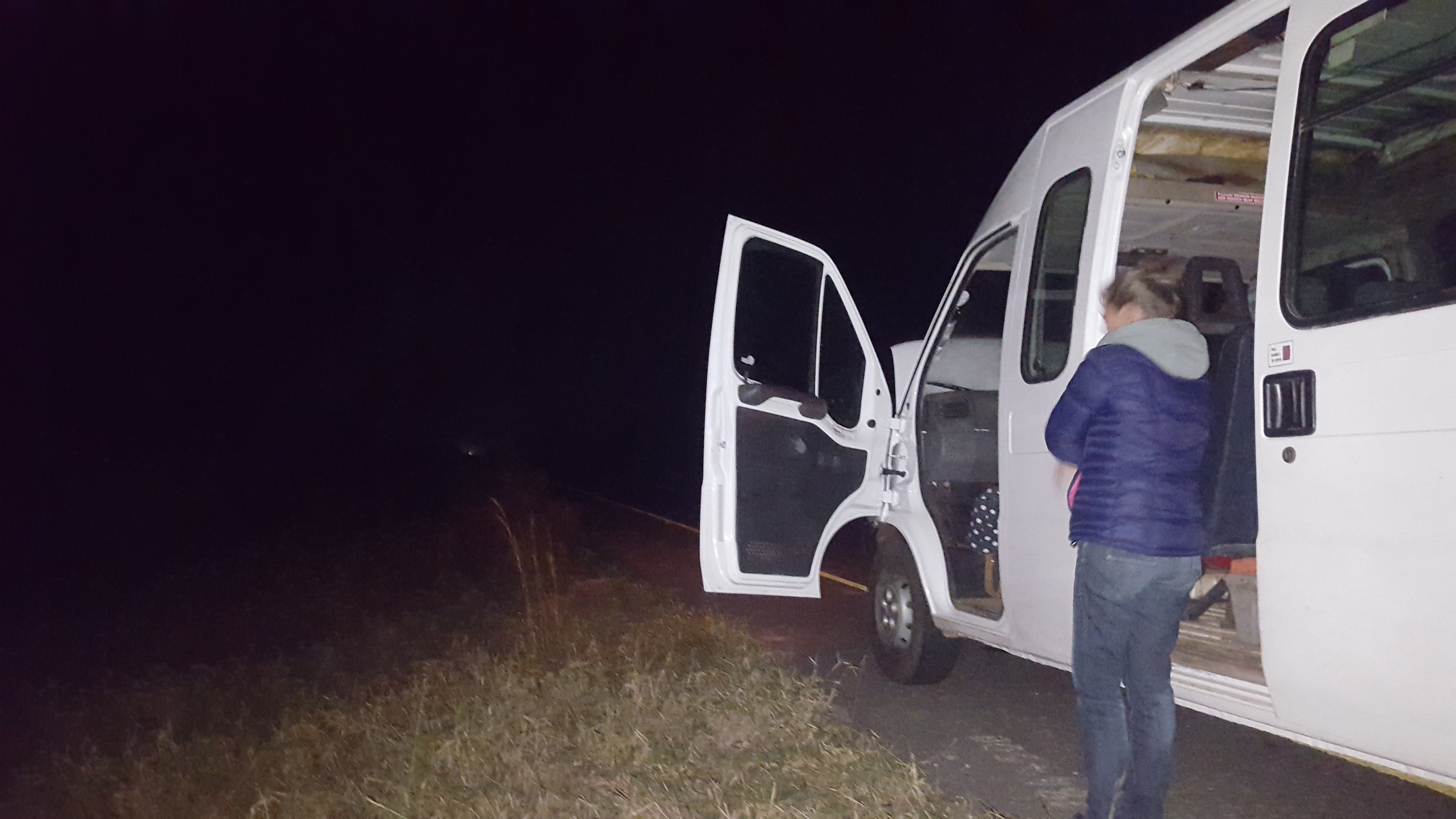
Broken down in rural Mozambique waiting to be “rescued”

The students completed their two-week practicum in the north and returned with many tales of the things they had seen and experienced both in the main clinic and during mobile clinics that were run in remote villages. They had been given many opportunities to work alongside healthcare workers in the area and glean from their knowledge and experience. This gave them added confidence to continue on with their training to become primary healthcare workers.

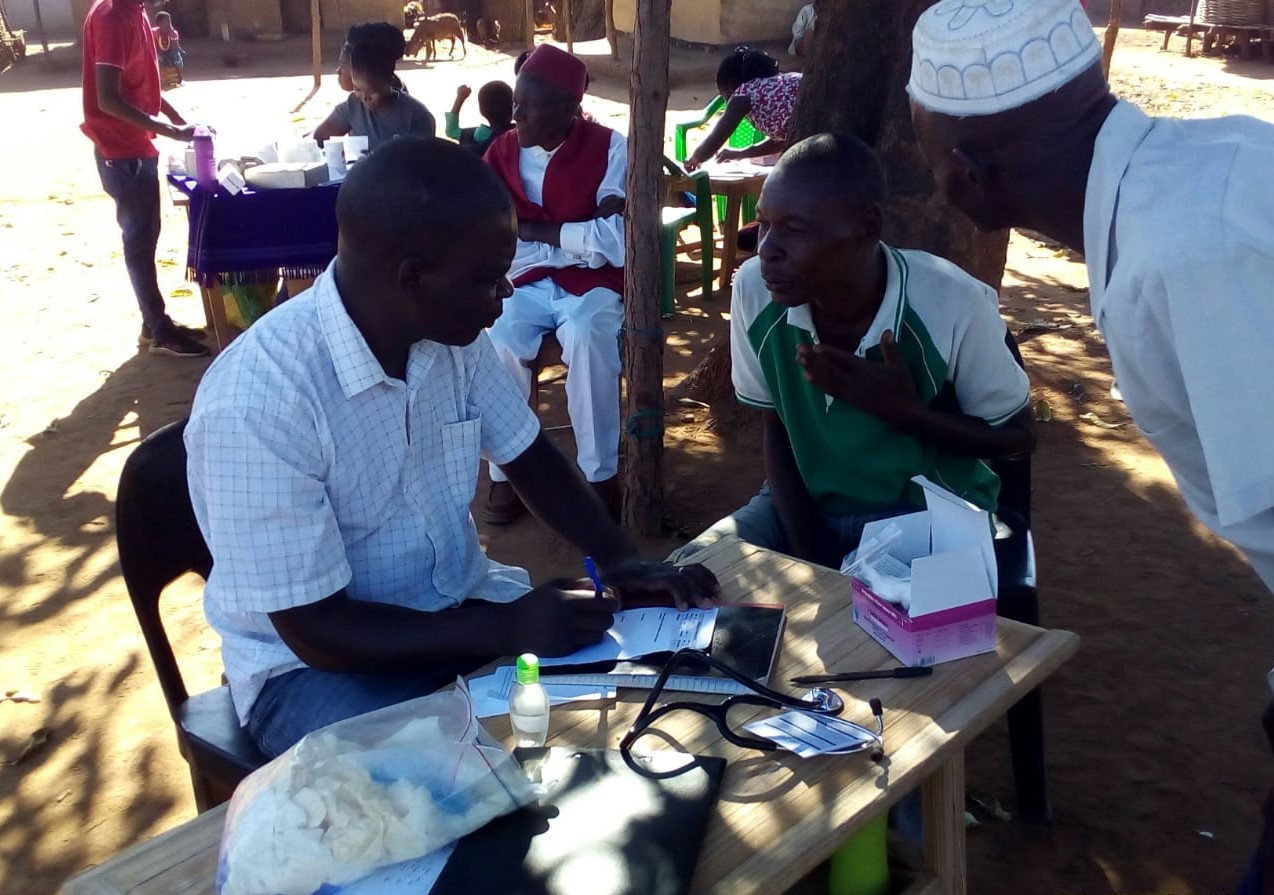
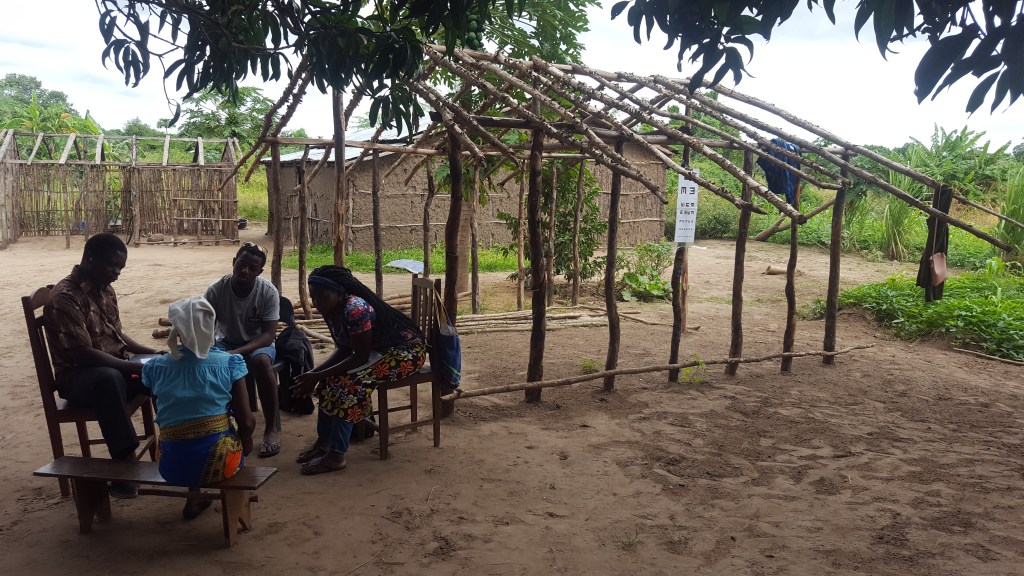
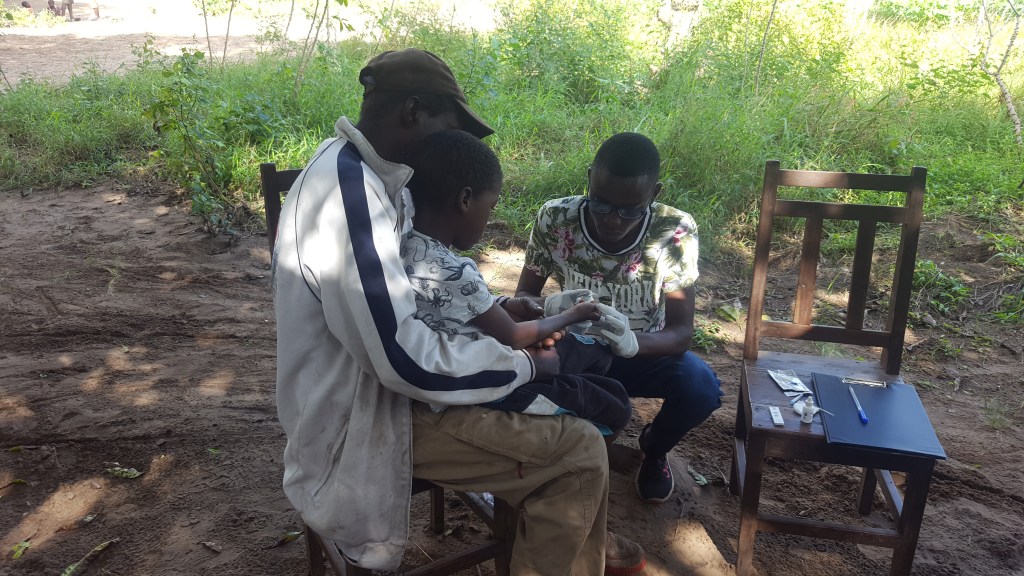
A makeshift consultation station at a village mobile clinic

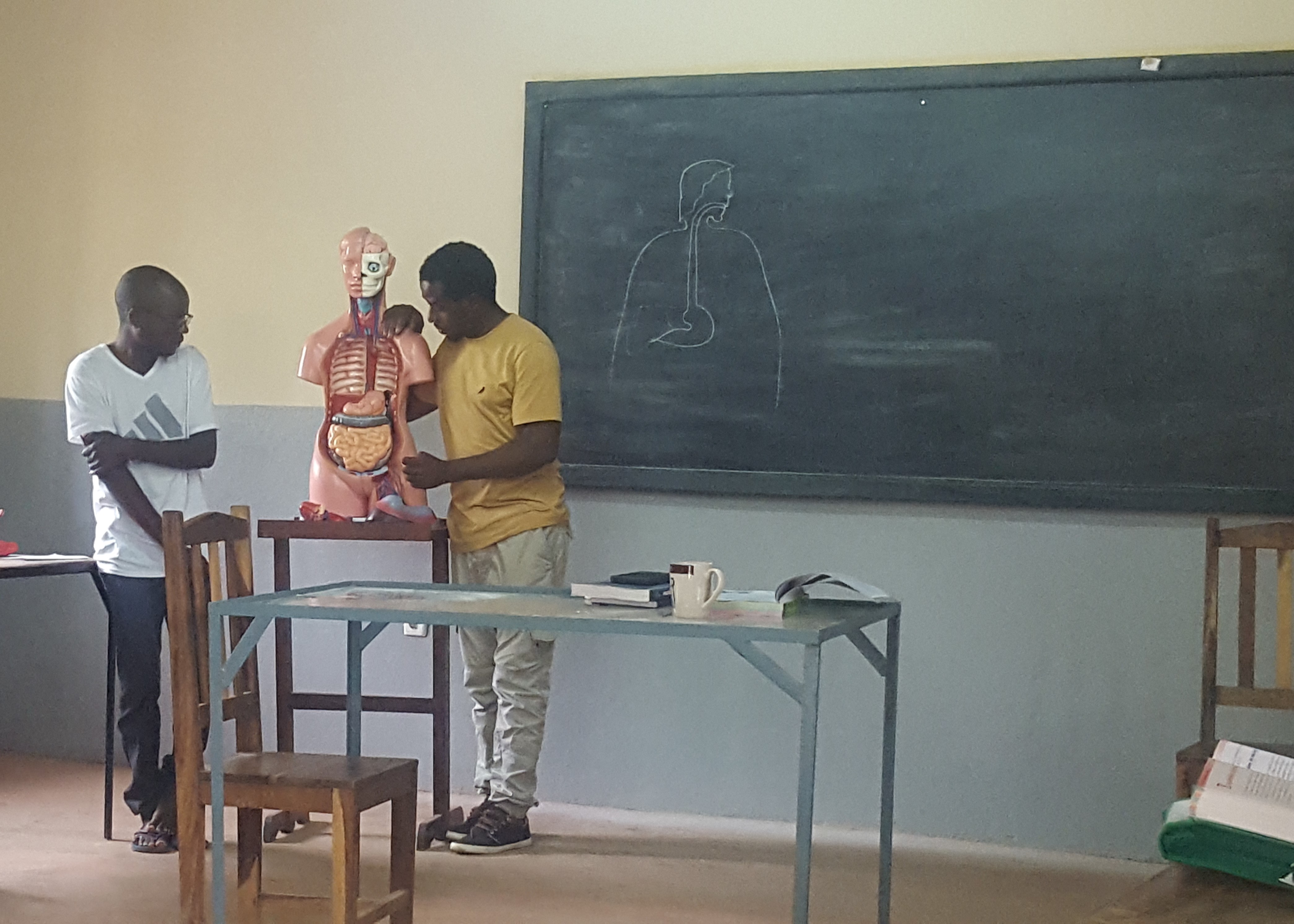
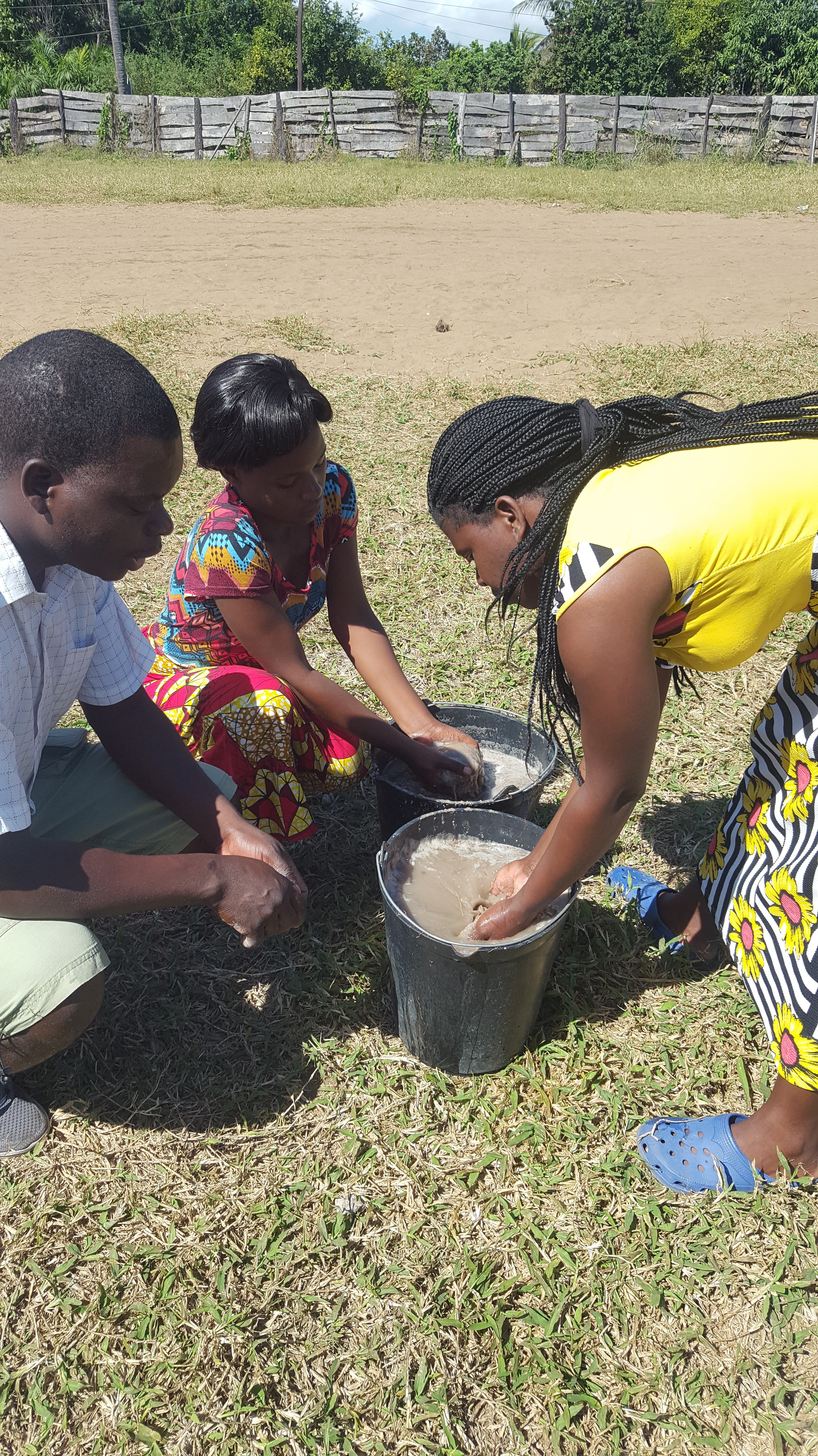
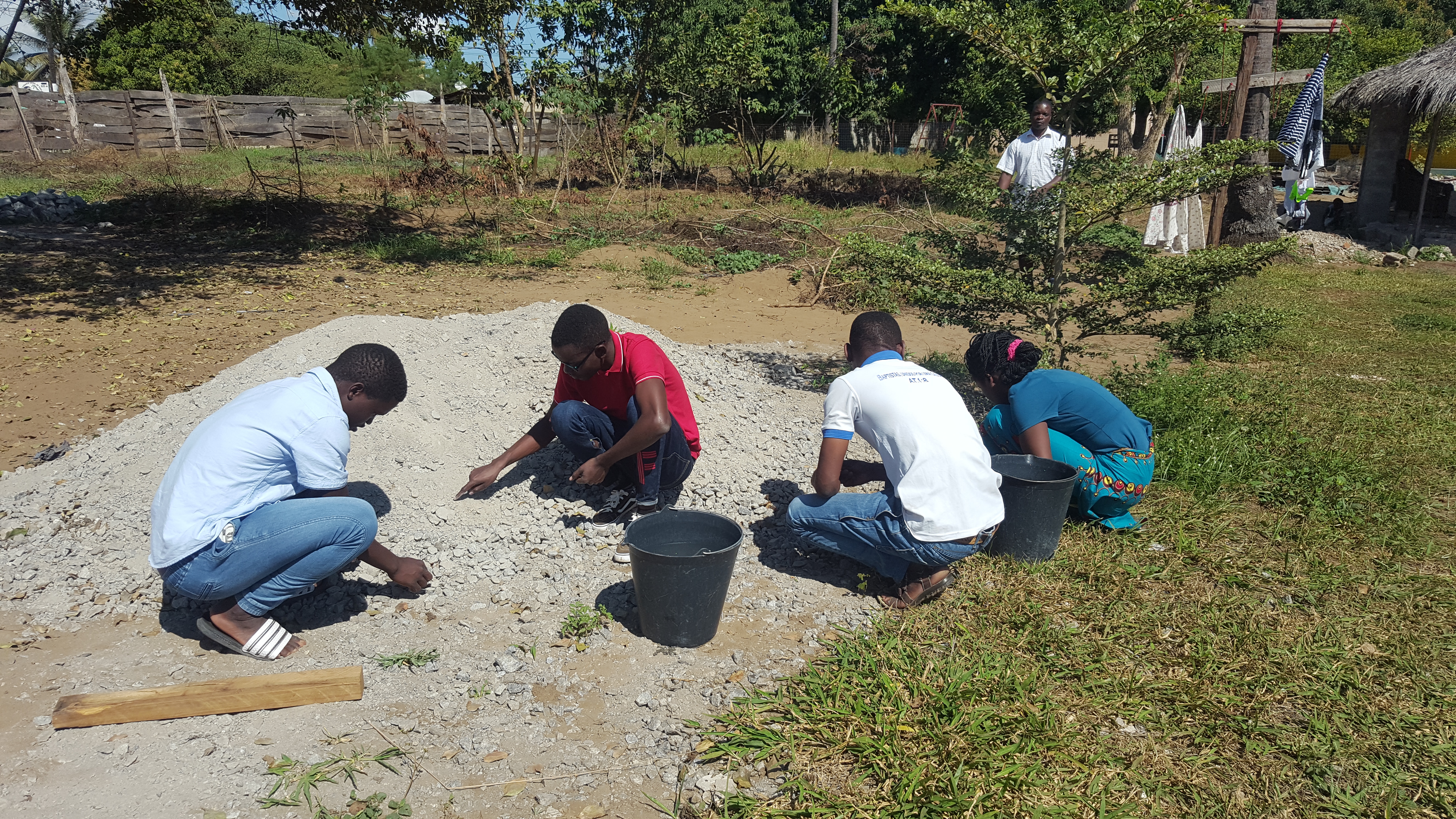
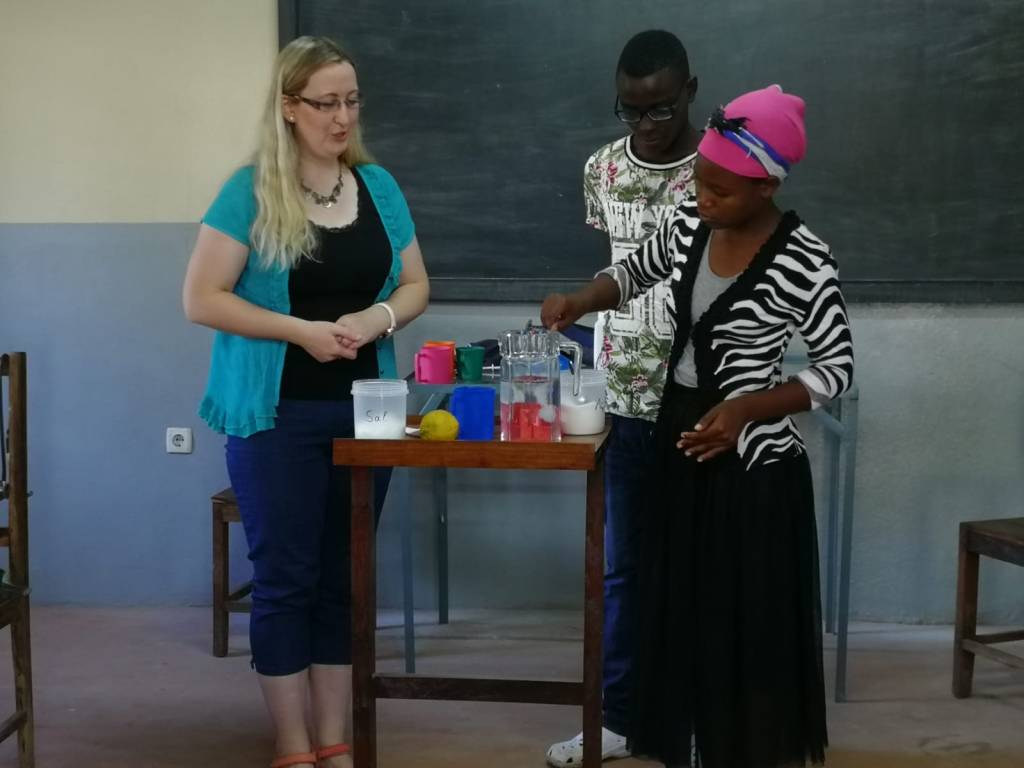
On their return, we dove right back into further teaching and training. The students learnt about the gastrointestinal tract, as well as how to build water filters from scratch. This is an important topic, as many communities experience disease and ill health due to unclean water sources. The students are trained not only to provide healthcare, but also to provide education to communities in order to prevent death and disease.

Learning the anatomy and physiology of the gastrointestinal system
Washing sand in preparation for making a water filter
Collecting rocks for the water filter

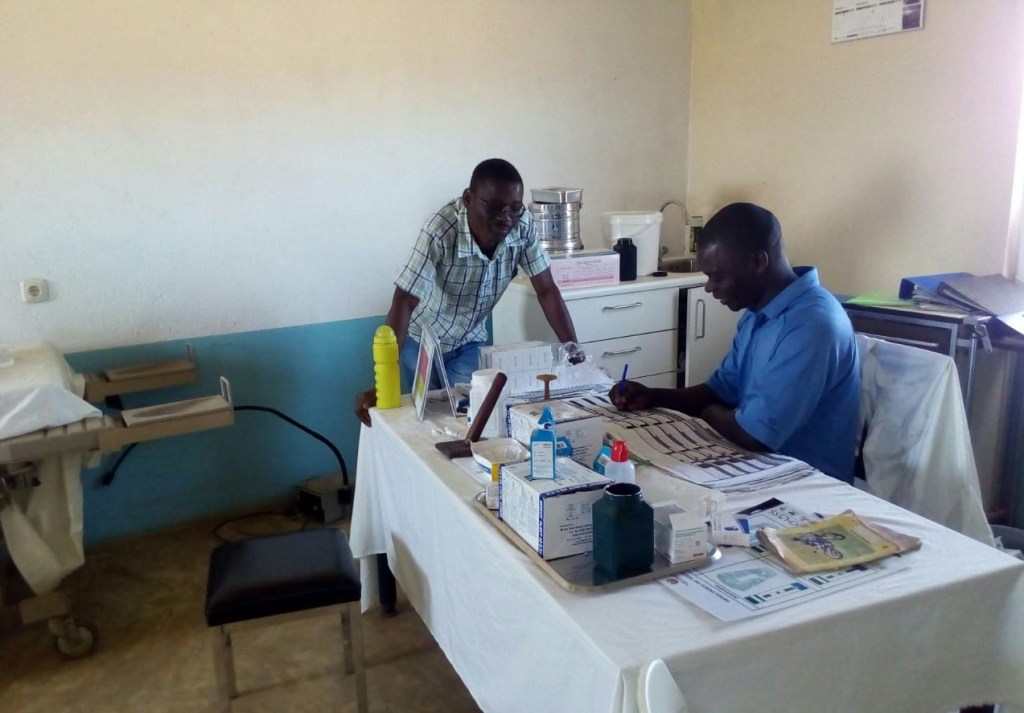
People continue to regularly come knocking on the front door seeking healthcare. They come for help either for themselves or for their unwell children. They come suffering from a variety of sicknesses such as malaria, respiratory infections, diarrhoea or wounds that need care. We are blessed to have medical equipment and medications which have been generously donated by various people from around the world, making it possible to provide healthcare.

I feel very fortunate to be here, working alongside such beautiful people who are so committed to bringing lasting transformation to their communities and to their nation.

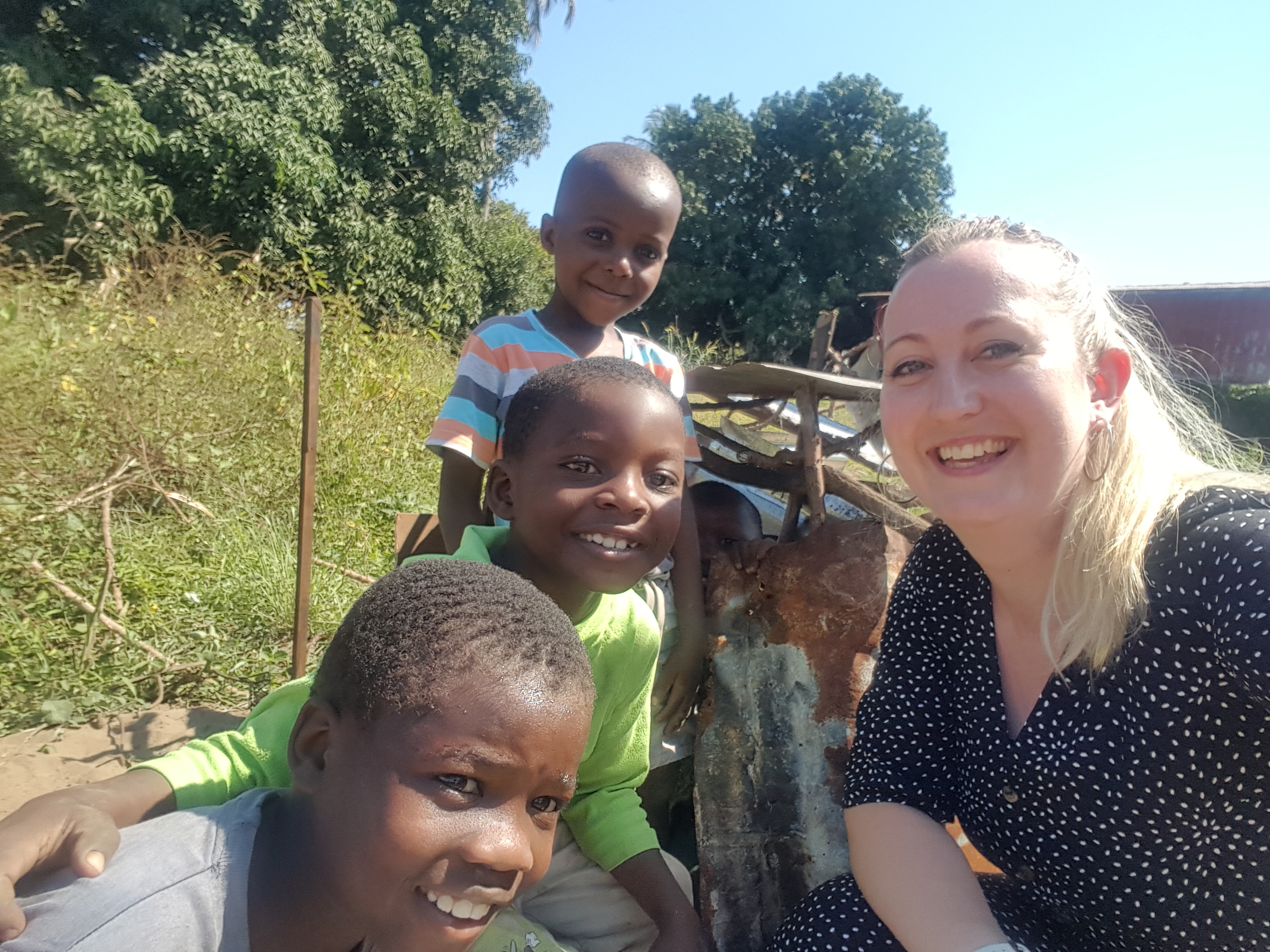
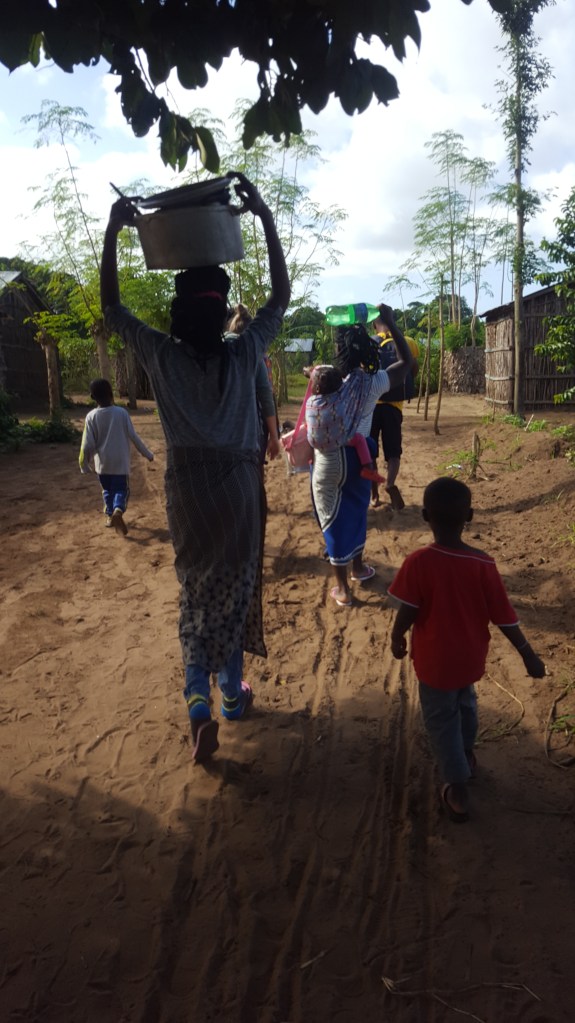
Sending time with a few of the amazing kids that live close by

Arriving in Mozambique

In the beginning of this month I arrived in Mozambique in South Eastern Africa. I came here to help with a training program that trains and prepares local community health workers with primary healthcare skills, equipping them to work in clinics in their local communities. All the student health workers have already completed a preliminary training course and all have a heart for their communities. They long to bring change and hope to their communities.

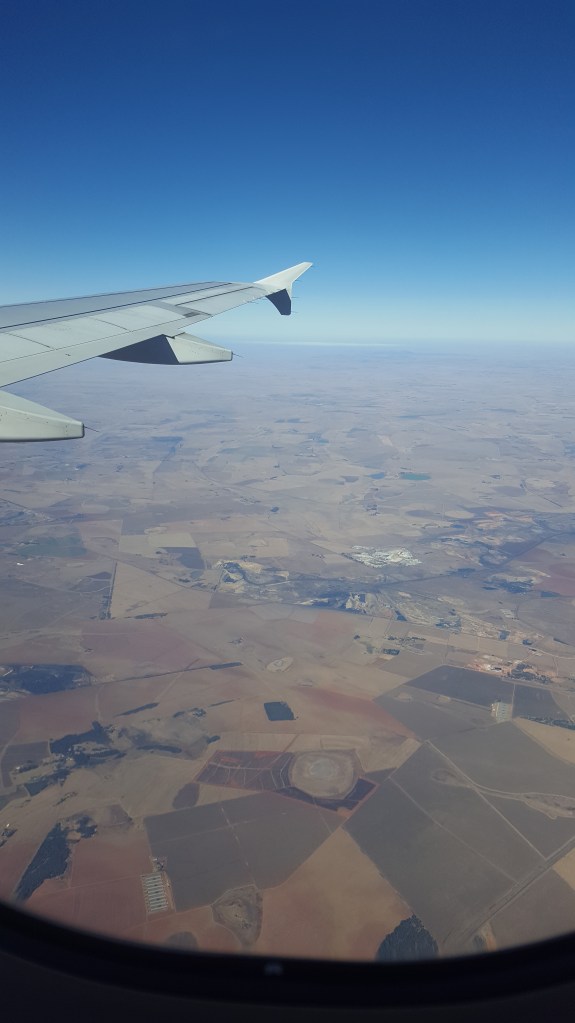
Flying over Africa

On arrival, I was overwhelmed with the welcome I received, as the student health workers had been eagerly awaiting my arrival and had faithfully and earnestly been praying for me to come (they had commenced their training about three months earlier, the original plan being that I would be with them from the start). They all knew me by name before I arrived, and they welcomed me with open hearts and open arms. It was a very humbling welcome!

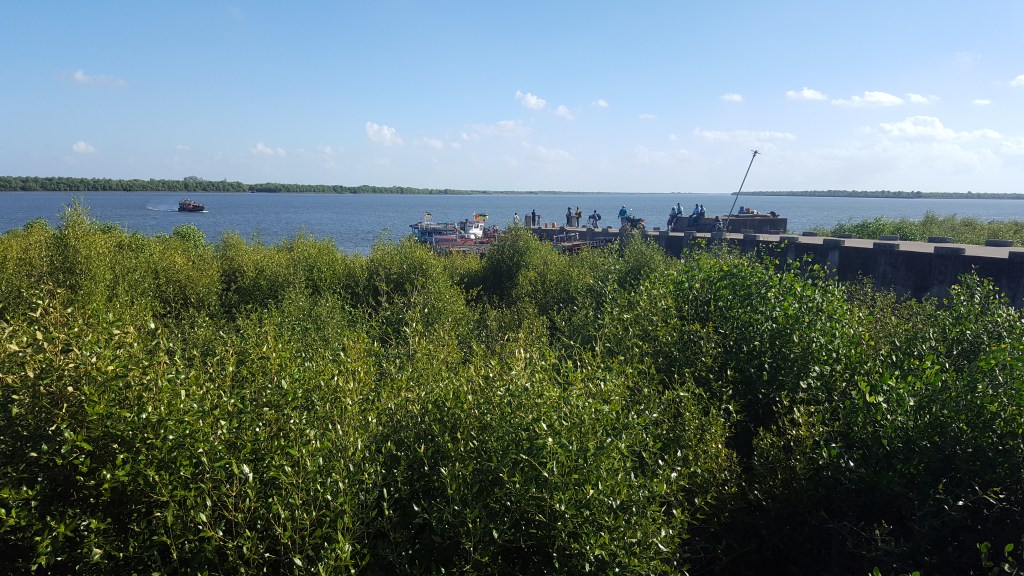
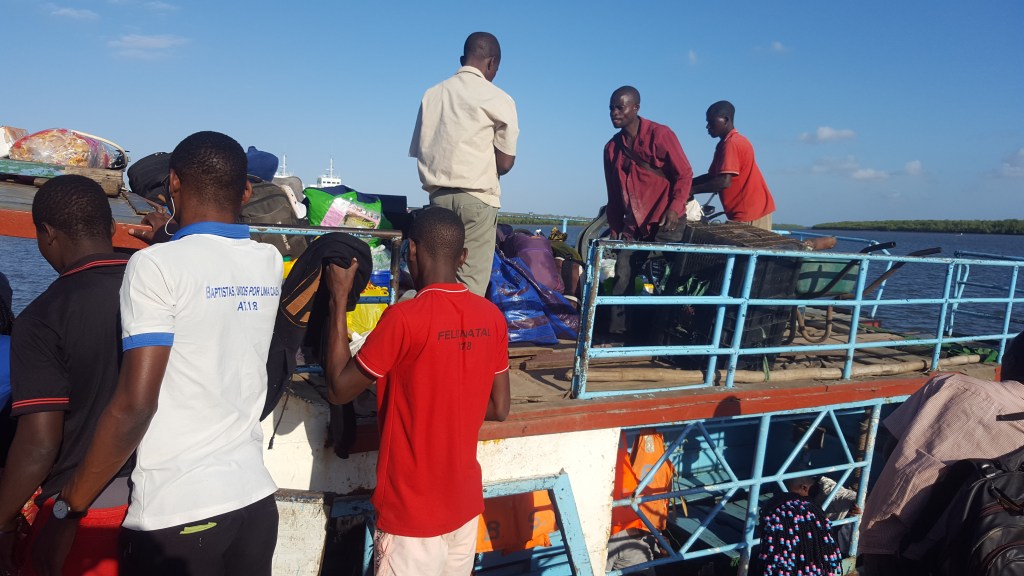
Soon after arriving, the eleven students, the other school leaders and I travelled to an island not far from where I’m currently based in Mozambique. The island has been largely neglected by the government for many years, and the people suffer greatly through inadequate infrastructure, a lack of healthcare and immense poverty. The main purpose of our visit there was to run mobile clinics in order to provide care and treatment wherever it was needed.

Throughout our time on the island we devoted four days to setting up and running clinics in three different needy locations around the island. We were able to see dozens of patients, assess their needs, provide treatment and offer prayer. Many of the patients we saw lived too far from any clinic or hospital to receive any healthcare treatment. They were, therefore, very grateful for the opportunity to receive care. The clinics provided an opportunity for the student healthcare workers to put their newly acquired skills into practice.

One our way to hold a clinic

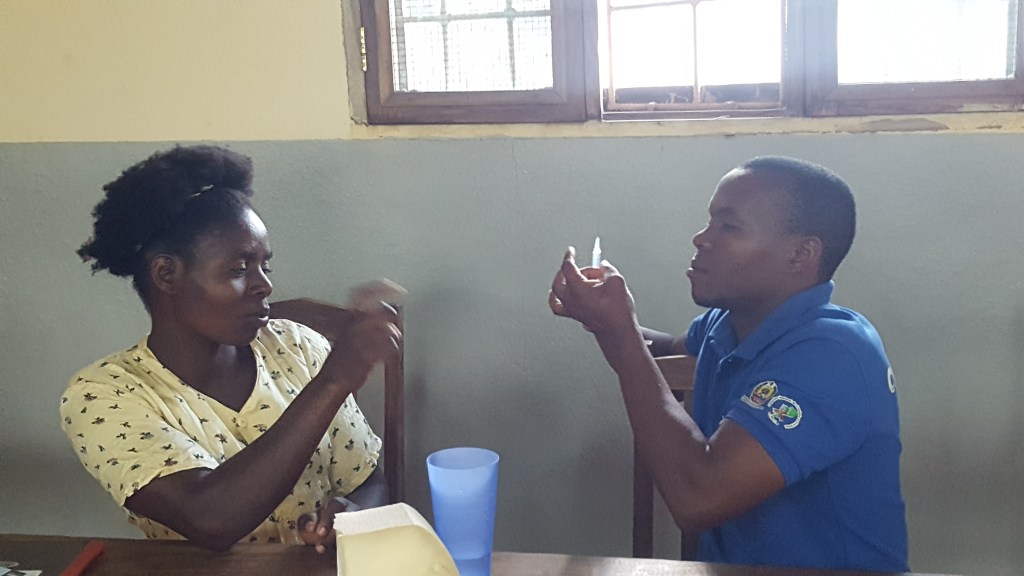
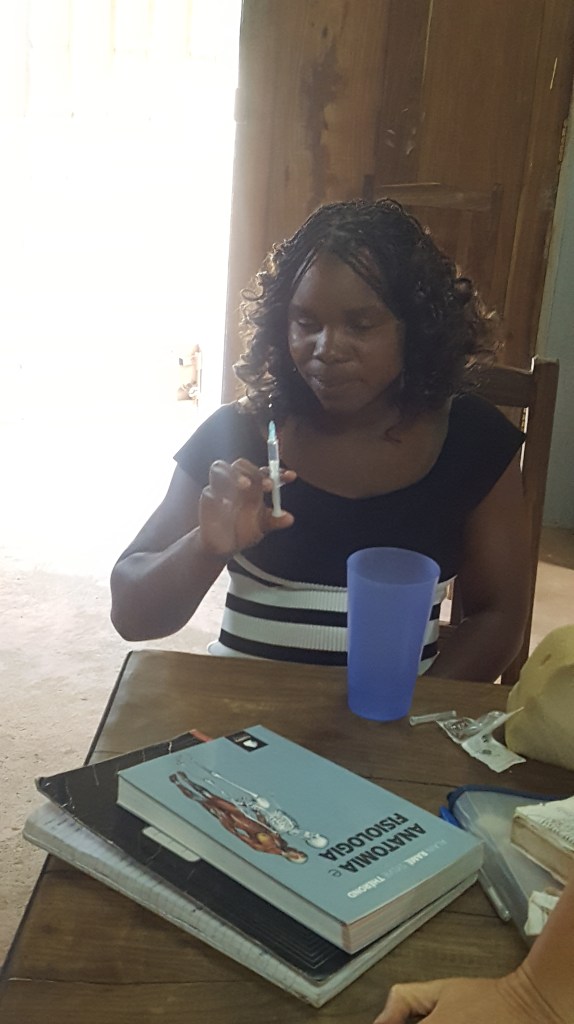
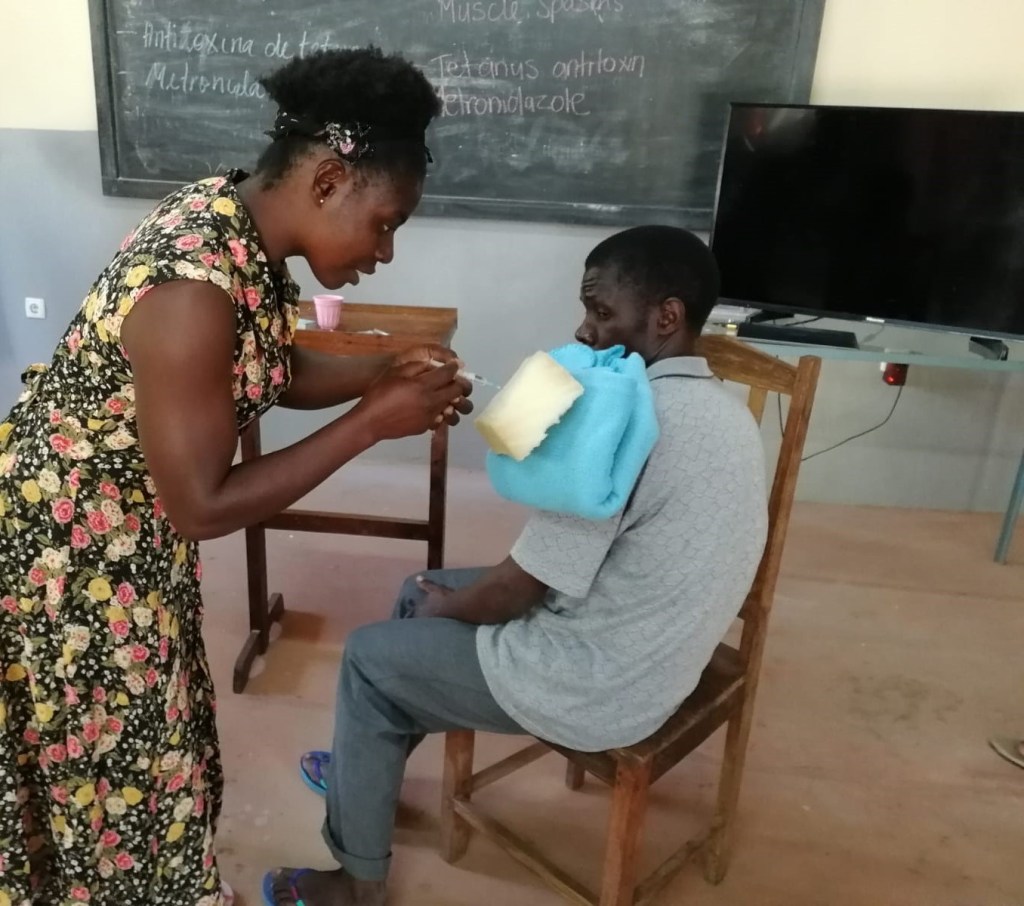
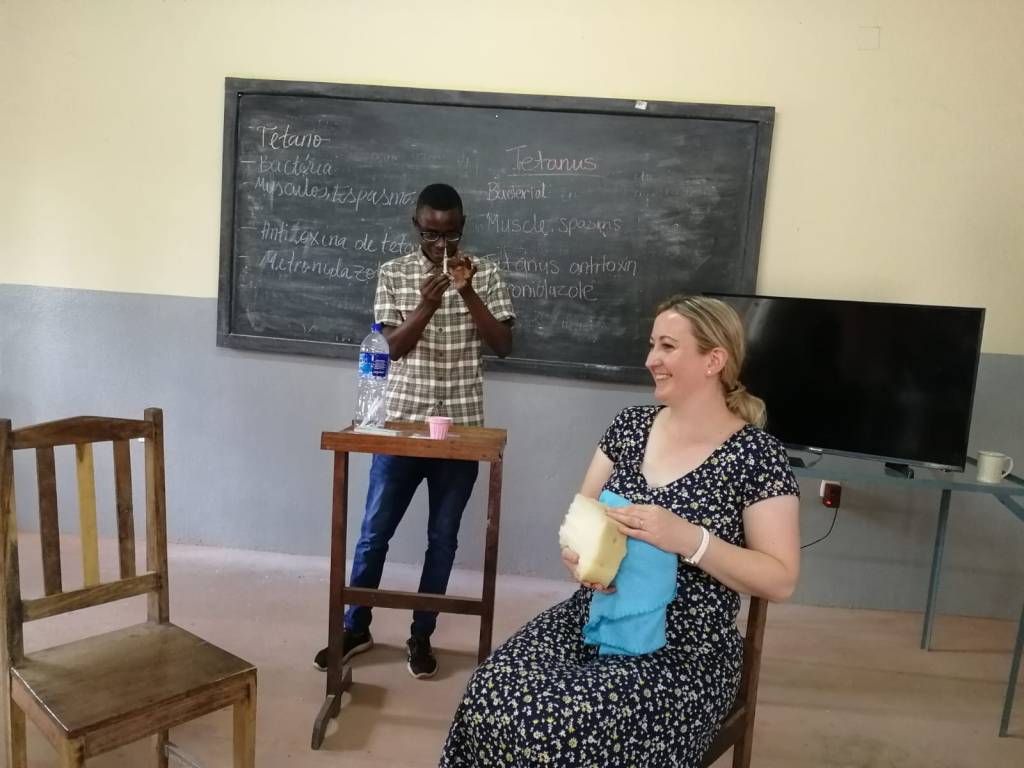
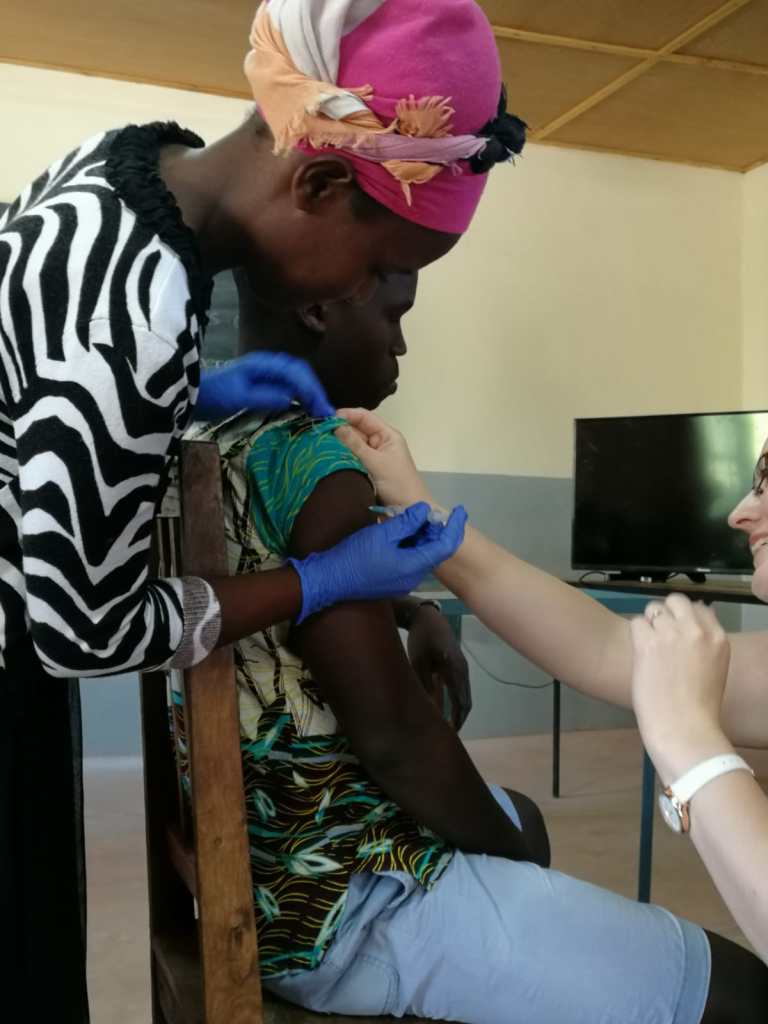
On return to the mainland, the students received one week of teaching on HIV/AIDS and other sexually transmitted diseases. We had a wonderful doctor from India come specially to teach on this important topic. Following that, I presented a week of teaching on immunisations and preventable diseases. The students were thoroughly engaged in the topic, eager to learn and willing to put their skills into practice.

I am enjoying being here and helping wherever I can. I’m making lots of friends and I’m learning a little bit of the language, which is proving useful. It’s not uncommon for people to come to our door at all hours of the day seeking medical help. When they come, we help them the best we can.

In a few days, we will travel by road to the neighbouring country of Malawi. There I will renew my visa and we’ll purchase more medications for our upcoming two-week trip into the north of Mozambique. We will go to an area where one of the school leaders is from. We will run more clinics whilst there which will give the student health workers many more opportunities to practise their new skills.

Thank you for taking the time to read my update. I am truly blessed to be here for such a time as this.