In my last update I mentioned that the primary healthcare students, the other school staff and I would be travelling by road to neighbouring Malawi to purchase more medications, renew my visa and continue on to the north of Mozambique to run mobile clinics and work in an existing remote clinic. This would allow the students further opportunities to put their newly learned skills and knowledge into practice.
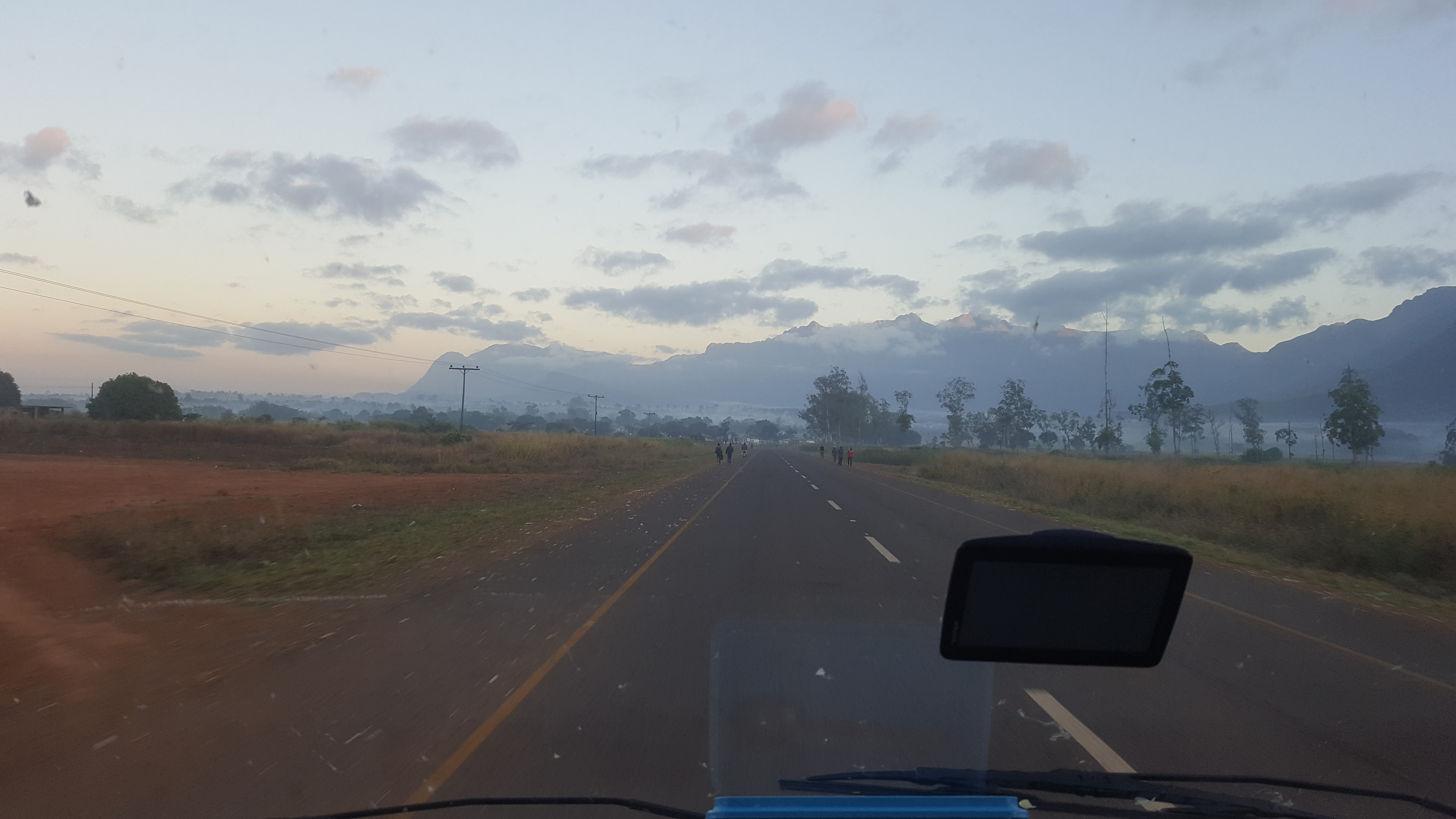
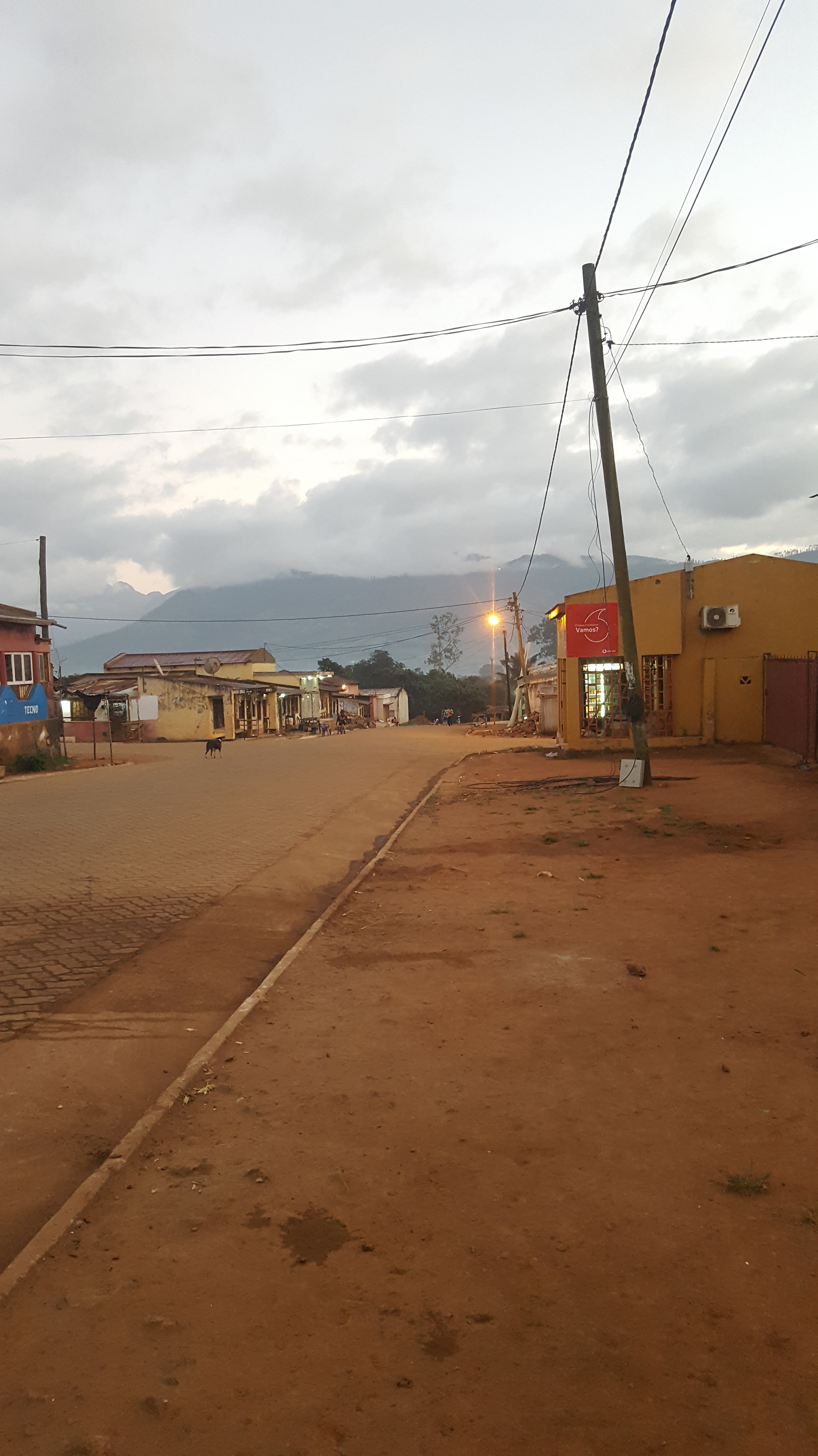
We commenced our trip on 4th July, travelling through the night to reach the small border town of Milange. After a few hours’ sleep in Milange, we continued our journey at the break of dawn so we could cross the Mozambique-Malawi border as soon as it opened (in these parts of the world, borders between countries are closed overnight). On reaching the border, we passed through to Malawi with no problems, which was a relief as corruption is common in these parts.
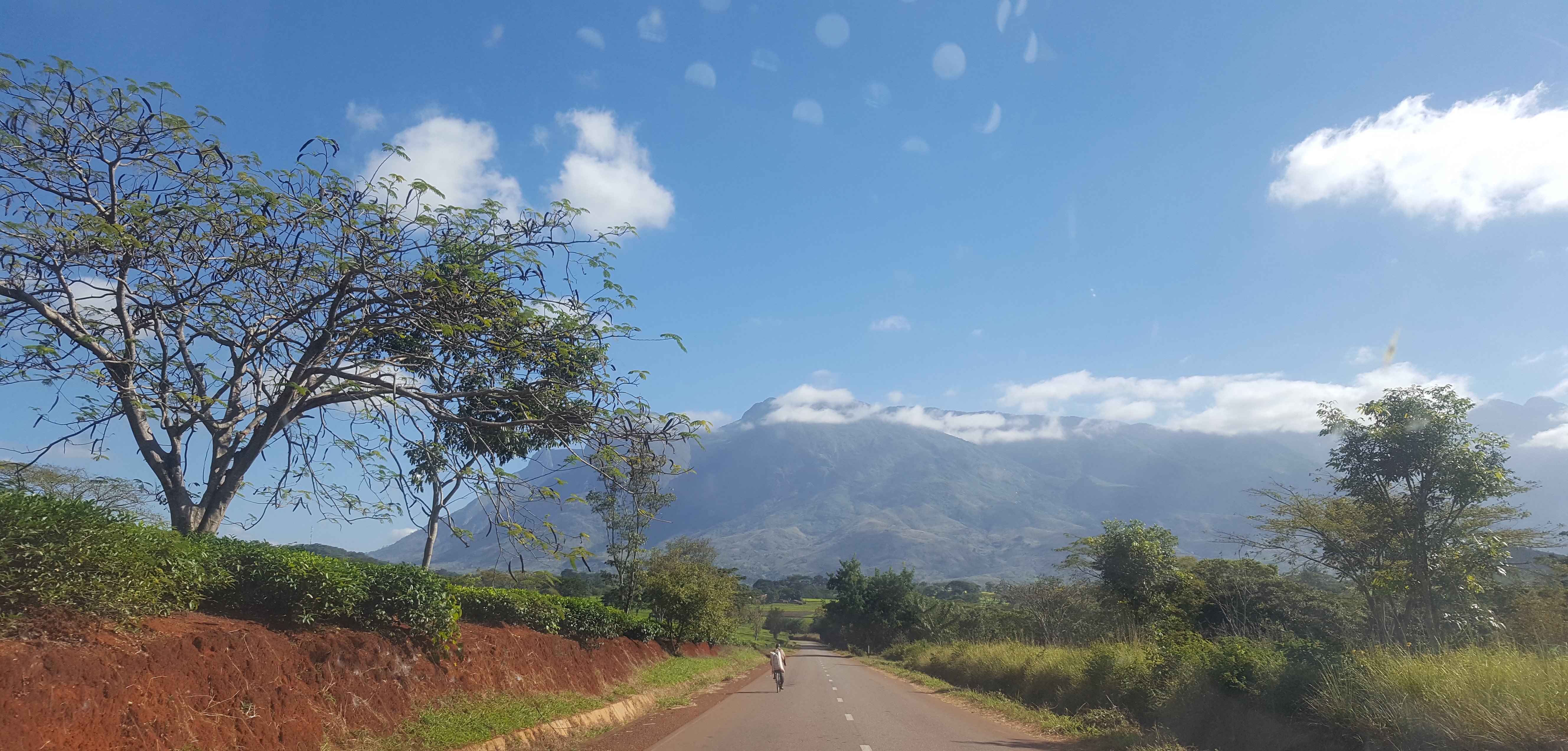
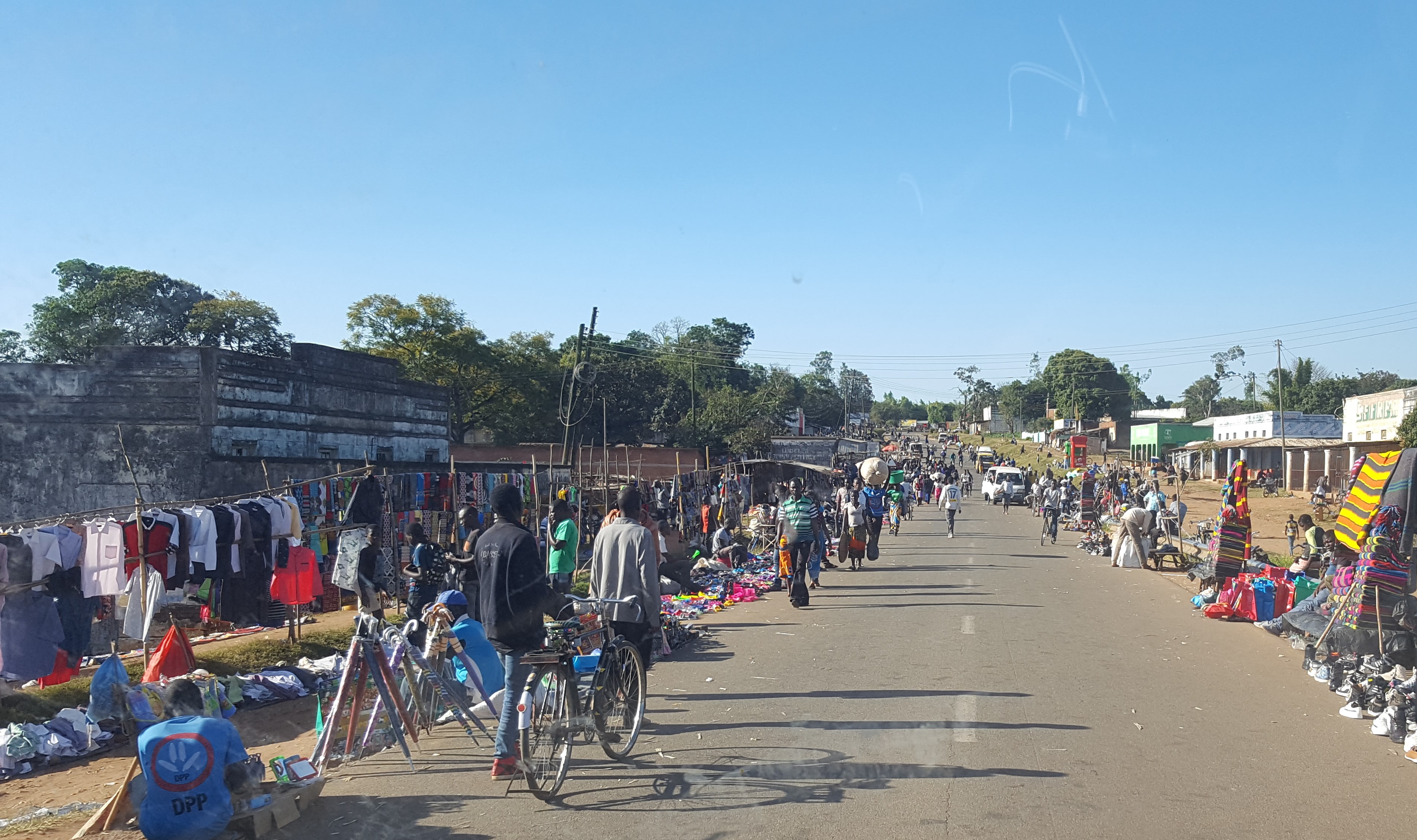
After spending a couple of nights in the Malawian city of Blantyre, purchasing a supply of medications and medical equipment including malaria test kits, malaria treatment and other basic medications that would be needed during our upcoming mobile clinics, we continued our journey through Malawi towards northern Mozambique. On reaching the Mozambique-Malawi border, I was denied entry back into Mozambique, despite legally having the right to enter based on current immigration laws. This meant that the students had to be sent on ahead to join up with another school staff member who was already on location at the clinic where we had been planning to work, while I stayed in Malawi with two other school staff members to figure out how I could re-enter Mozambique.
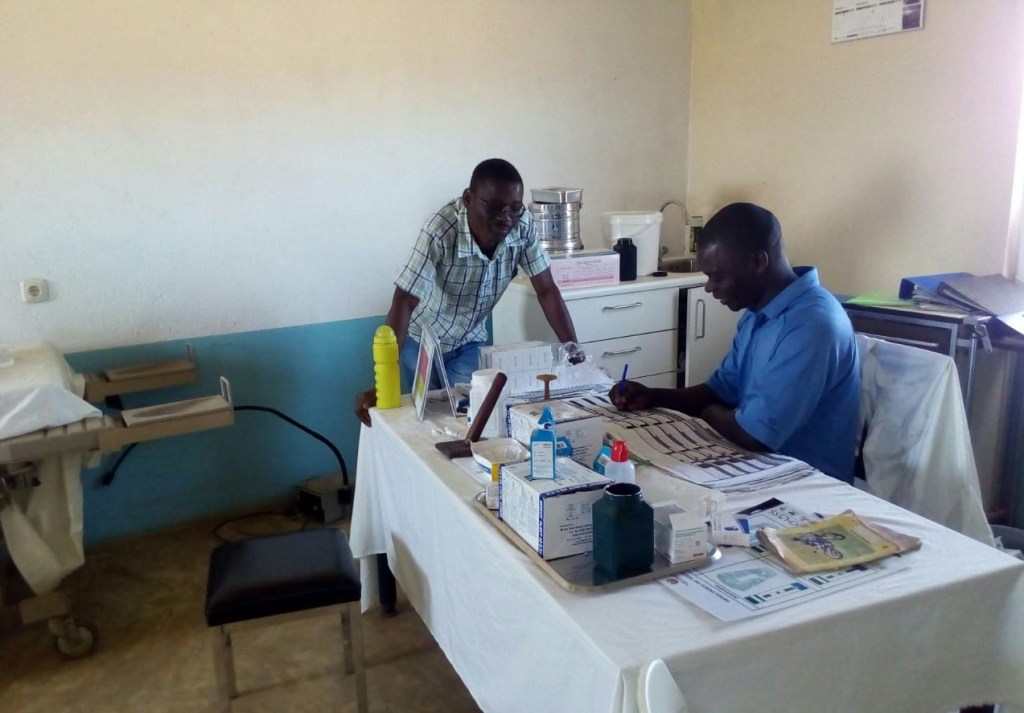
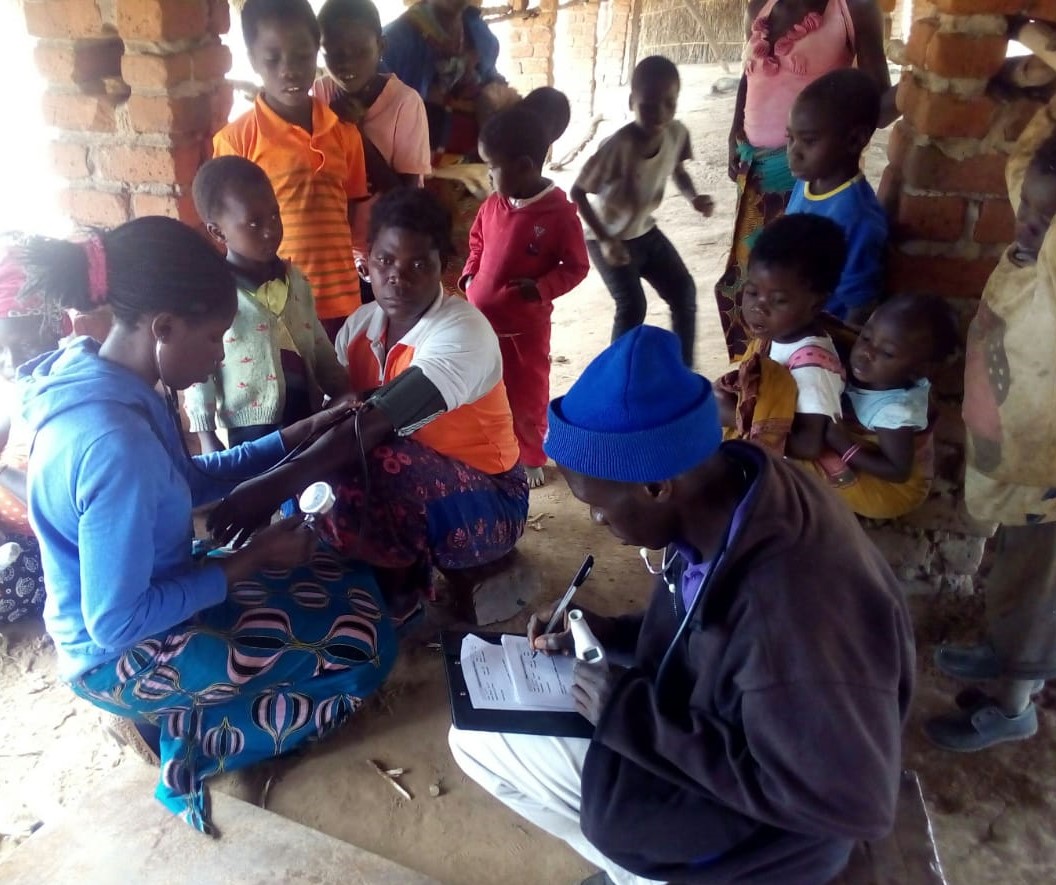
The students made it safely to their destination in Northern Mozambique and commenced work in the local clinic and surrounding village communities under the watchful eye of Geraldo, the staff member who had already gone ahead to prepare for them. In Malawi, I pondered how I could re-enter Mozambique. Initially, I planned to try again to pass through the same border where I had been denied entry. The idea was to try to re-enter on a weekday, as more experienced officers would be on duty, hopefully granting me entry. However, it was advised that the best course of action was to submit documentation at the Mozambique High Commission in Blantyre, the city we had initially come from.
After waiting for the required documentation, we returned to Blantyre and submitted the documents there at the High Commission. However, despite three consecutive visits to the Mozambique High Commission, it was clear that another visa into Mozambique was not going to be granted in that way. The final solution was to return to the border where we had initially exited Mozambique. This decision proved to be successful, and I was given entry back into Mozambique without any difficulties. The process of attempting to get back into Mozambique had taken several days, and a lot of travelling within Malawi, however, I was so grateful to have been granted re-entry!
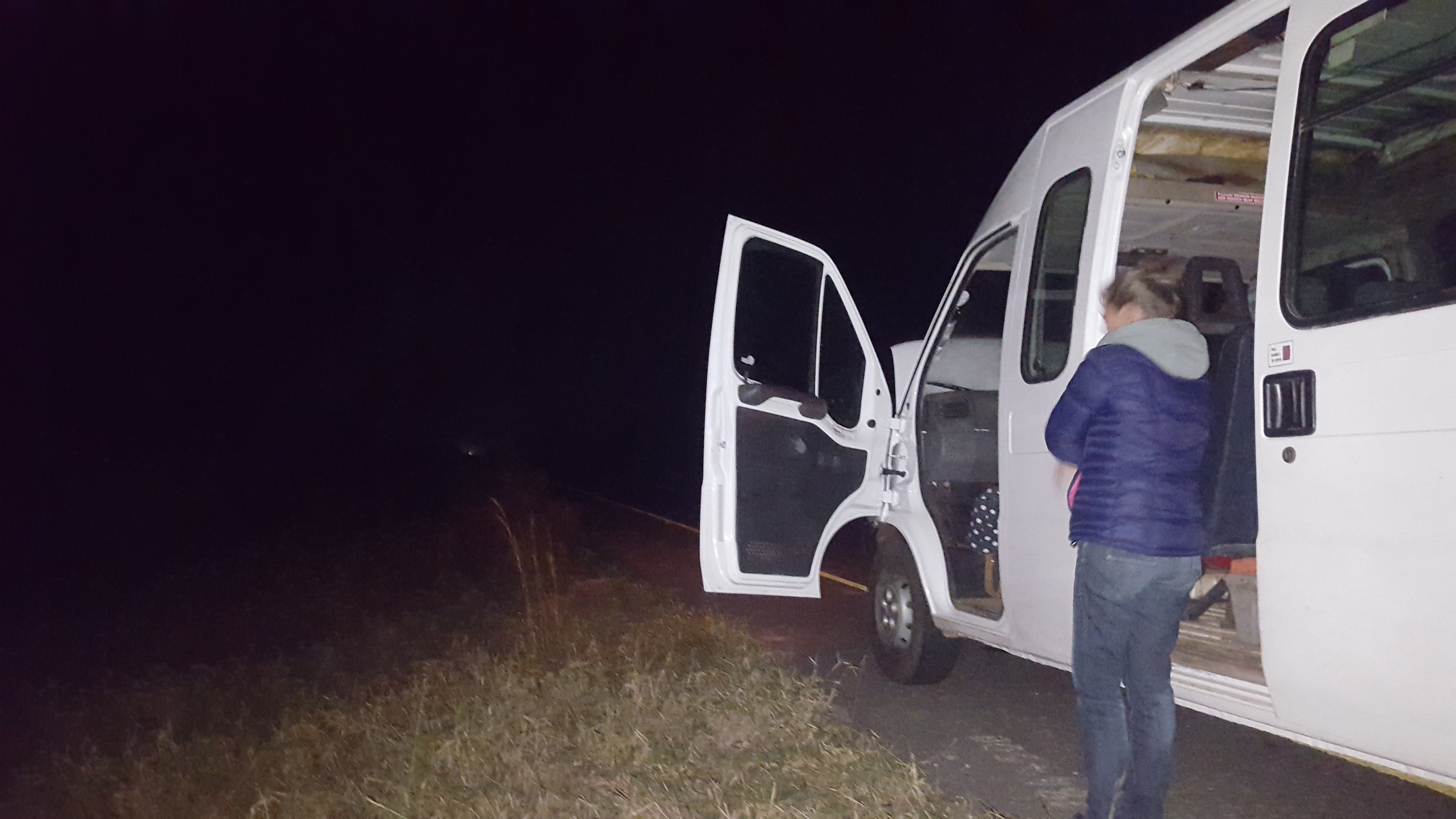
The plan was then to take the more difficult journey on hazardous roads through Mozambique to join the students and continue to support them. However, as we travelled to our first stop, we experienced serious car damage and were forced to leave our vehicle in a small town with a mechanic whilst we continued our journey using public transport. By this time, as we had lost so much precious time with the obstacles we had faced, we decided that instead of joining the students, we would wait for them and meet back up with them at the training centre. That way we could spend time preparing for the weeks of teaching that would occur on their return.
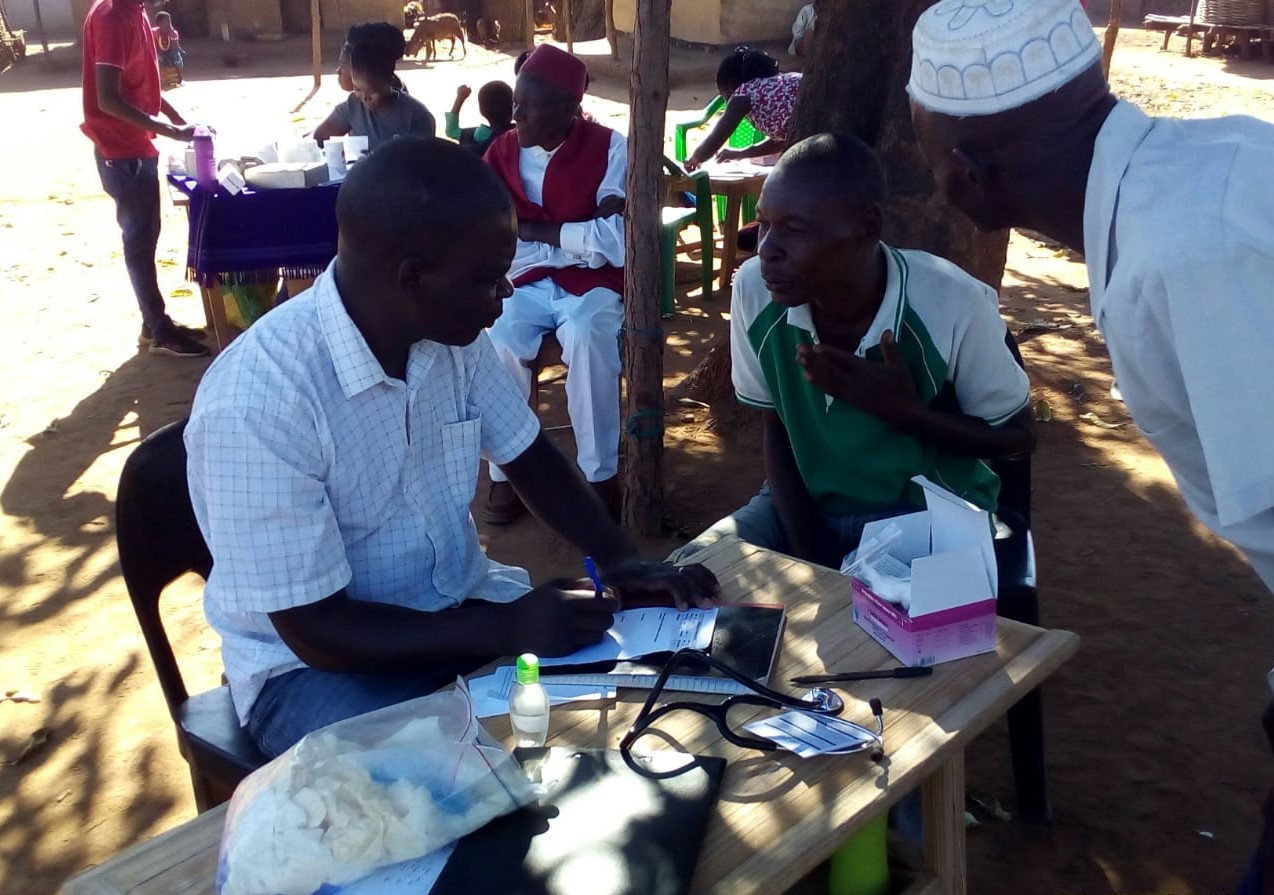
The students completed their two-week practicum in the north and returned with many tales of the things they had seen and experienced both in the main clinic and during mobile clinics that were run in remote villages. They had been given many opportunities to work alongside healthcare workers in the area and glean from their knowledge and experience. This gave them added confidence to continue on with their training to become primary healthcare workers.
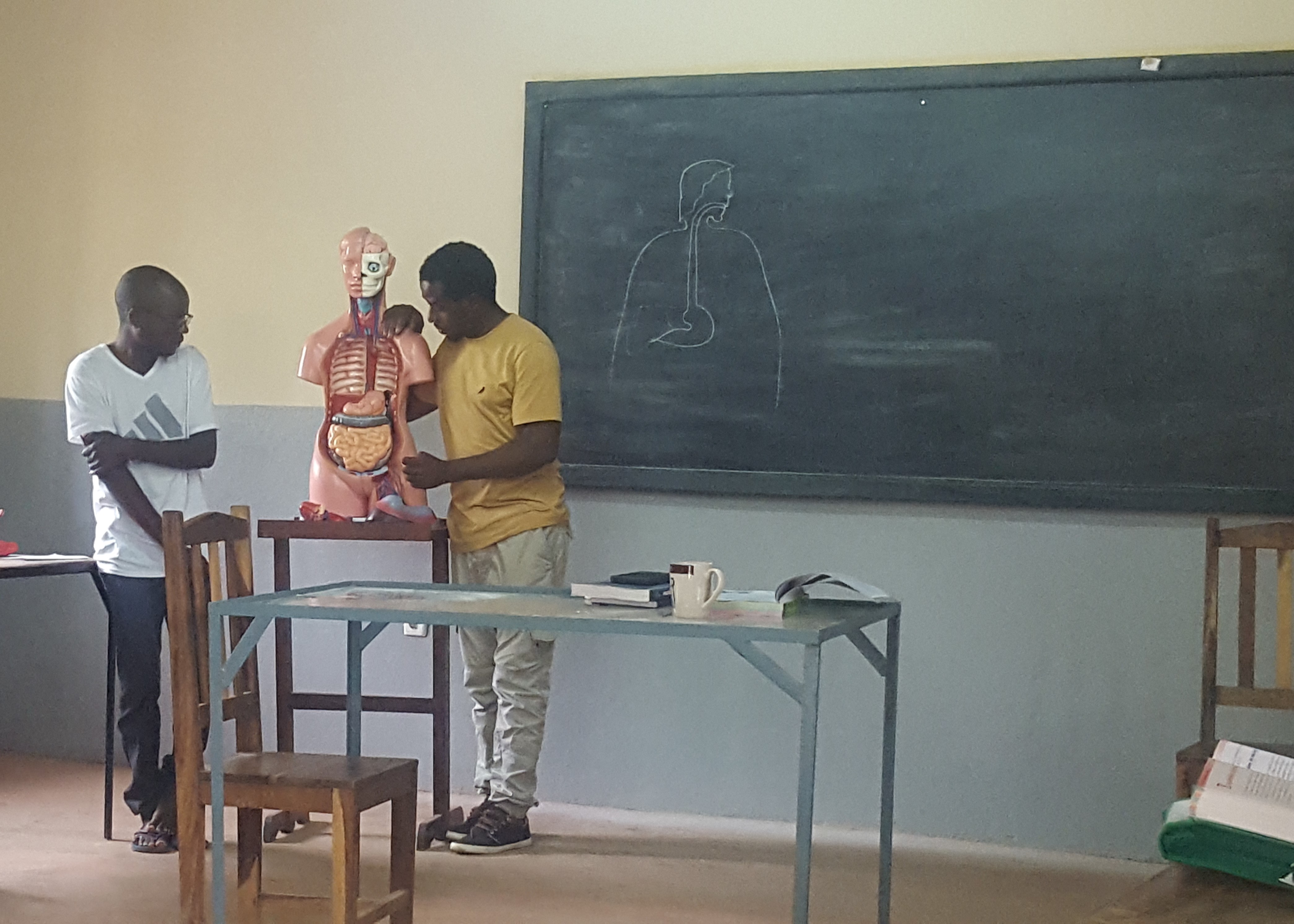
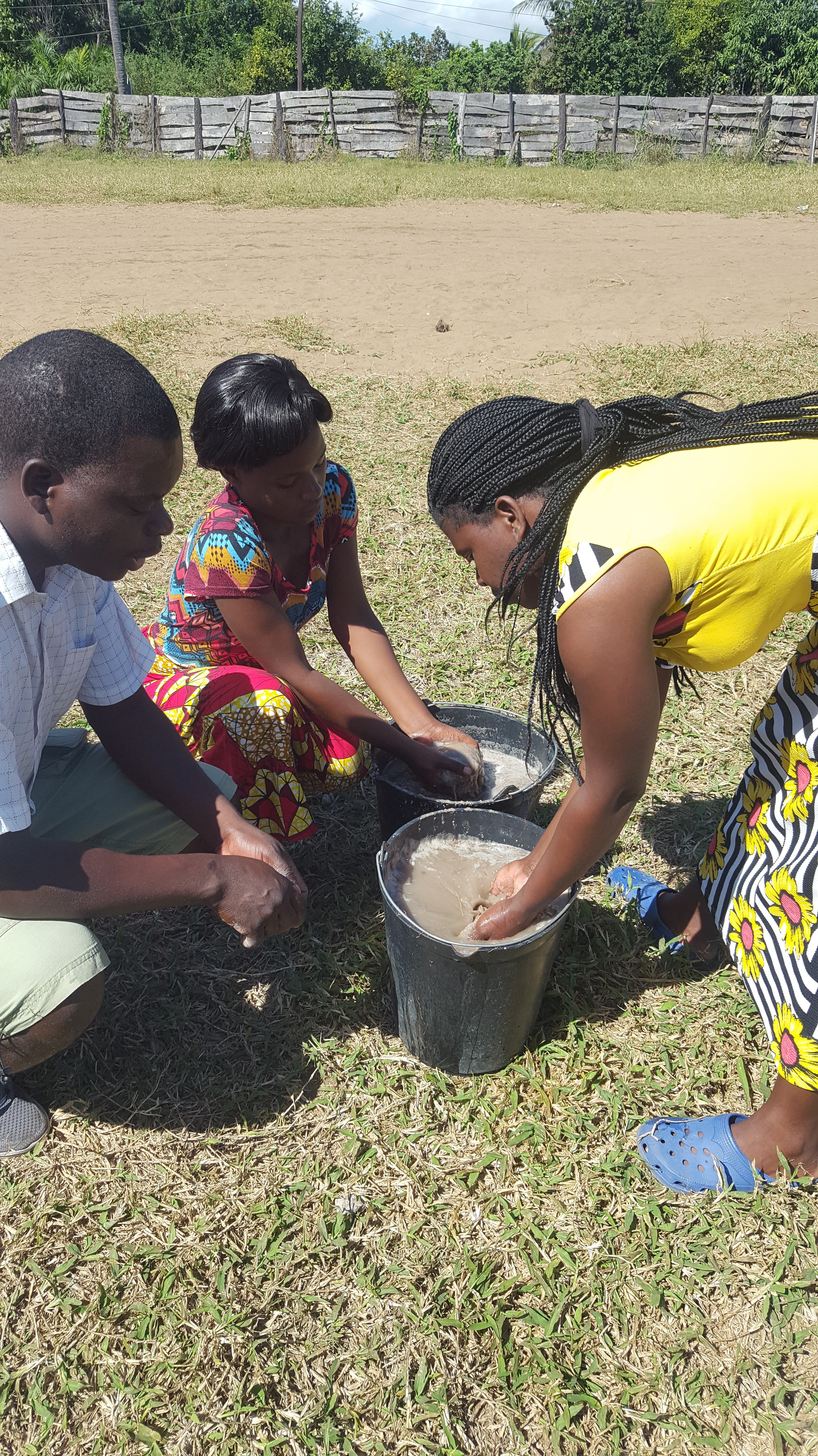
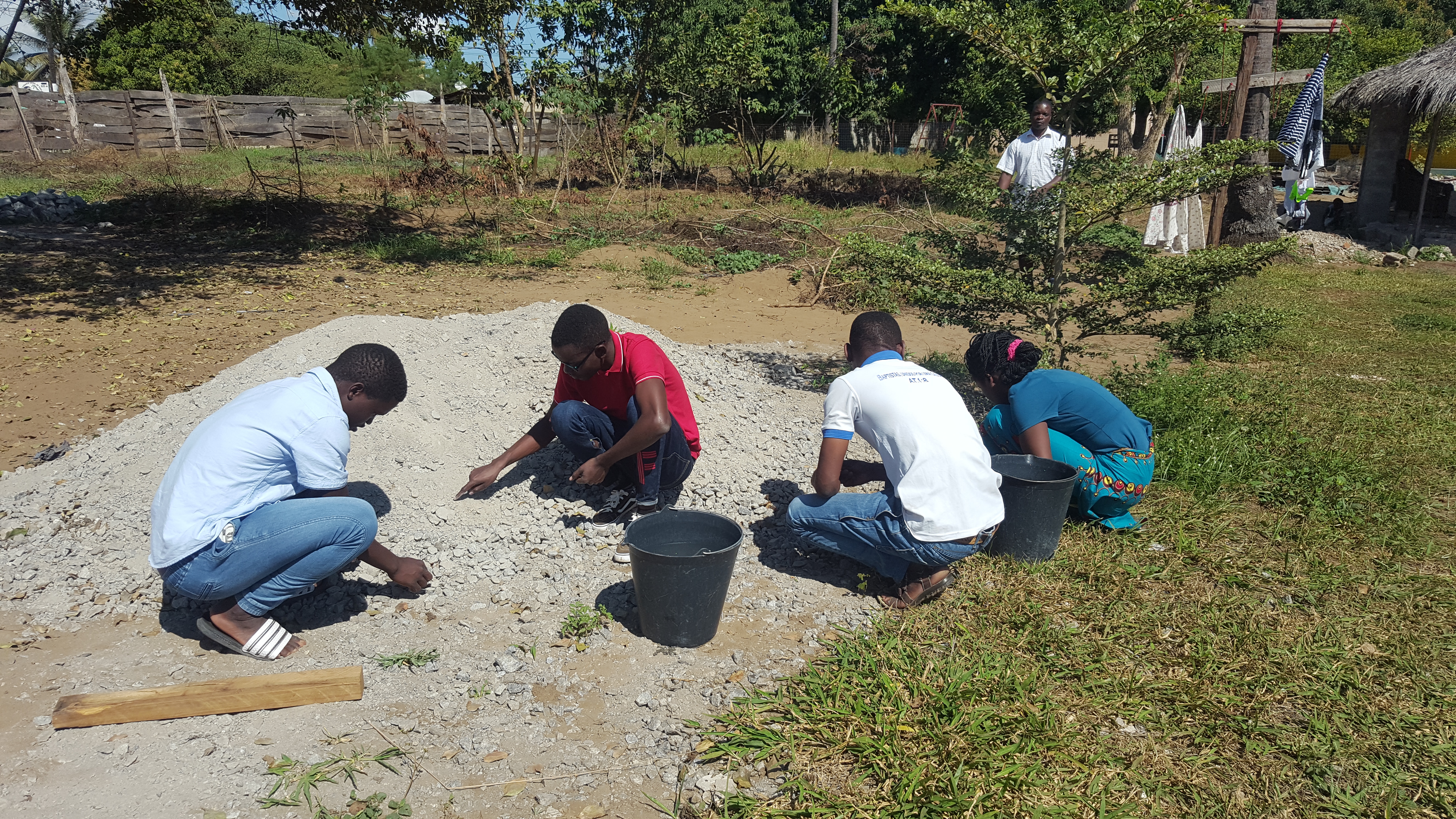
On their return, we dove right back into further teaching and training. The students learnt about the gastrointestinal tract, as well as how to build water filters from scratch. This is an important topic, as many communities experience disease and ill health due to unclean water sources. The students are trained not only to provide healthcare, but also to provide education to communities in order to prevent death and disease.
People continue to regularly come knocking on the front door seeking healthcare. They come for help either for themselves or for their unwell children. They come suffering from a variety of sicknesses such as malaria, respiratory infections, diarrhoea or wounds that need care. We are blessed to have medical equipment and medications which have been generously donated by various people from around the world, making it possible to provide healthcare.
I feel very fortunate to be here, working alongside such beautiful people who are so committed to bringing lasting transformation to their communities and to their nation.

 Mozambique Adventures